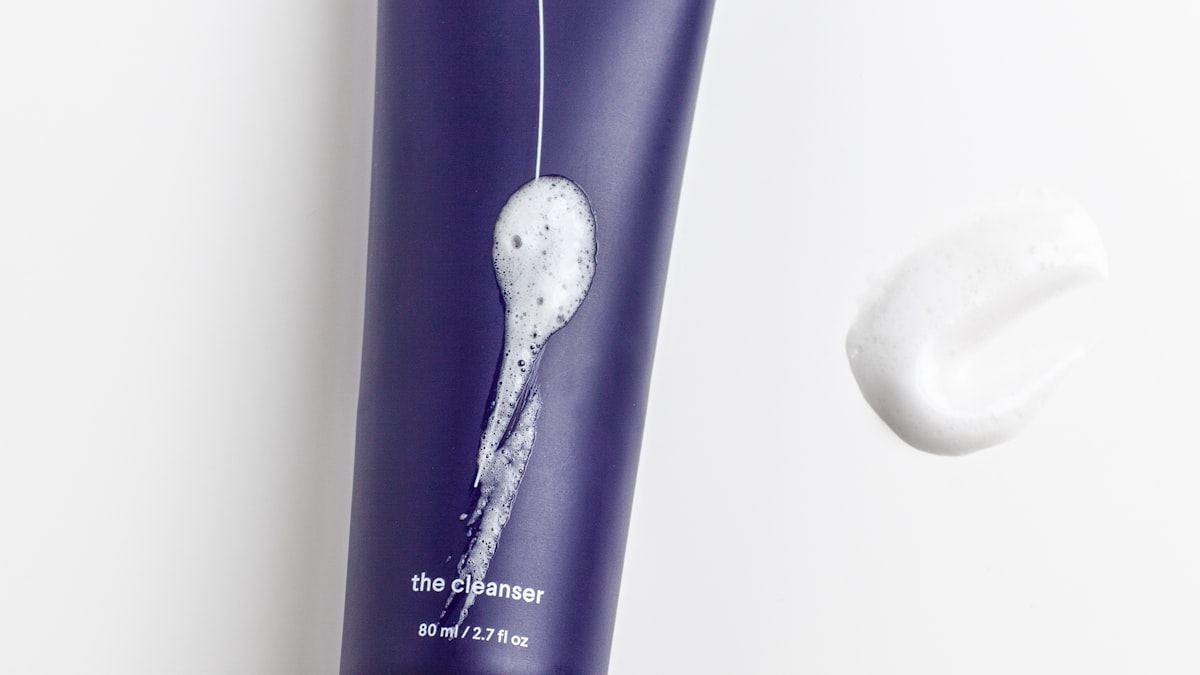
Cleansing is undeniably the most pivotal step in any skincare ritual, yet it is also the step most prone to damaging the skin barrier. For decades, consumer marketing conditioned women to believe that clean skin should feel tight, taut, and squeaky. In dermatology, however, a squeaky clean sensation is considered an acute clinical alarm bell: it indicates that the skin’s protective acid mantle has been stripped away, intercellular lipids have been denatured, and surface moisture has been evacuated. The objective of modern facial cleansing is to selectively remove sebum, air pollutants, and cosmetics while leaving the underlying lipid matrix completely unharmed.
- A healthy skin surface maintains an acidic pH between 4.7 and 5.5, which inhibits pathogenic bacteria.
- Harsh anionic surfactants (like sodium lauryl sulfate) denature stratum corneum proteins and strip natural ceramides.
- Non-foaming hydrating cleansers preserve moisture in dry, sensitive, and mature complexions.
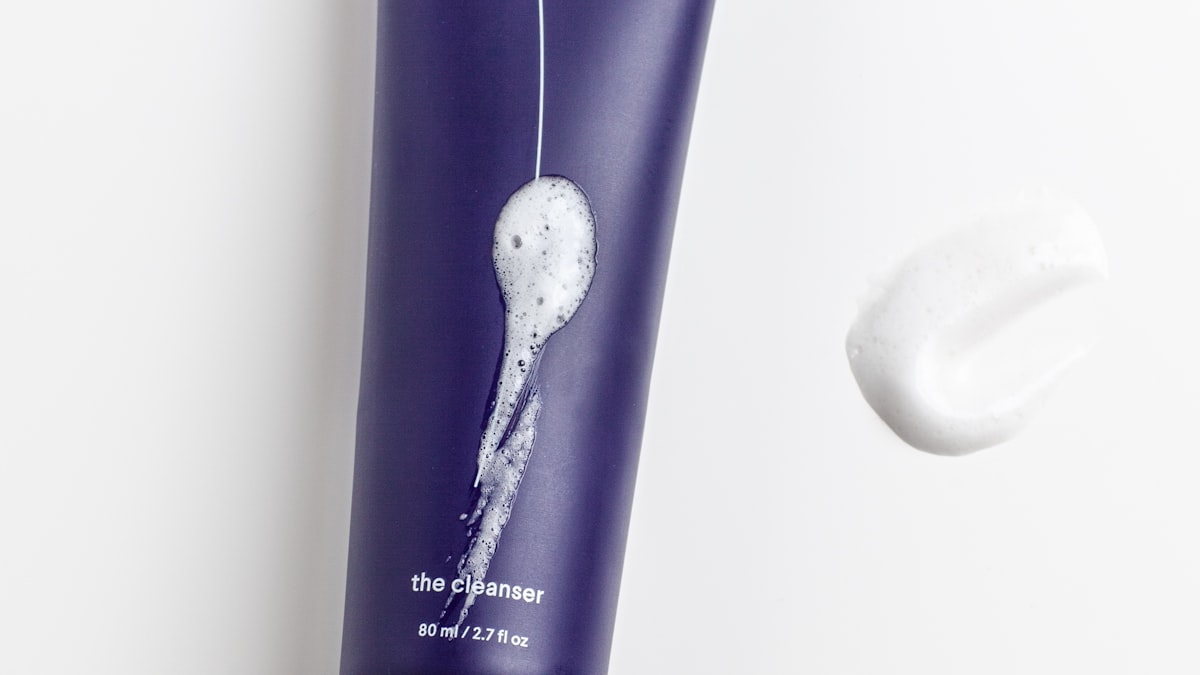
- Balanced amino acid foaming cleansers effectively clarify oily skin without causing rebound sebum spikes.
- Cleanse for a full 60 seconds with lukewarm water; hot water dissolves skin lipids and exacerbates redness.
Safety Reminder: Introduce any new active ingredient gradually. Always perform a patch test on the forearm 24 hours prior to facial application.
The Chemistry of Surfactants & Skin pH
Surfactants (surface-active agents) consist of a hydrophilic head that bonds with water and a lipophilic tail that binds to oils and grime. When you rinse your face, these surfactants suspend grease in water micelles, washing them away. However, harsh alkaline surfactants fail to differentiate between exogenous grease and your skin’s own structural ceramides.
Furthermore, human skin thrives under slightly acidic conditions (pH 4.7–5.5). This acidic mantle activates crucial lipid-synthesizing enzymes and suppresses proliferation of Cutibacterium acnes. Cleansing with traditional alkaline soap bars (pH 9–10) shifts skin pH upward for up to 6 hours, creating an environment ripe for microbial invasion, dryness, and irritation.
Hydrating Lotions vs. Balanced Foams
Choosing between a non-foaming lotion cleanser and a gentle foaming cleanser depends on your daily sebum output and environmental exposure:
Non-Foaming Hydrating Cleansers: Formulated with emollient fatty alcohols (cetearyl and stearyl alcohol) and mild non-ionic surfactants. They cleanse without foaming, depositing microscopic protective moisture films on dry or reactive barriers.
Gentle Foaming Cleansers: Modern gentle foams utilize amino-acid-based or amphoteric surfactants (such as sodium cocoyl glycinate or betaines) to produce soft micro-bubbles that sweep away excess oil without elevating skin pH.
Curated Products for This Protocol
Each product below has been selected for verified ingredient efficacy, skin barrier compatibility, and reliable formulation performance.
CeraVe Hydrating Facial Cleanser
The premier gentle cleanser for preserving skin barrier integrity; cleanses thoroughly without altering natural moisture balance.
CeraVe Foaming Facial Cleanser
Effectively lifts away daytime oil and makeup while soothing redness and maintaining essential barrier lipids.
La Roche-Posay Toleriane Hydrating Gentle Cleanser
Restores skin comfort and retains moisture from the very first wash, specifically tested on reactive and allergy-prone skin.
Cetaphil Gentle Skin Cleanser
A clinical staple for decades, updated with clean, fragrance-free barrier-supporting vitamins.
COSRX Low pH Good Morning Gel Cleanser
Refines pore congestion and sweeps away overnight dead cells while maintaining healthy acidic mantle balance.
Common Face Washing Errors
Hot water emulsifies and strips your intercellular lipids far faster than cool or lukewarm water. This leads to broken capillaries, exacerbated rosacea, and severe post-wash tightness. Always use tepid water.
Rough terrycloth towels act like abrasive sandpaper on freshly cleansed skin. Gently pat with a clean, soft cotton or microfiber cloth, leaving skin slightly damp for your subsequent hydrators.
Protocol Comparison & Selection Guide
Compare active attributes, textures, and specific indications across the recommended selections:
| Cleanser | Texture Type | Foam Level | Best Suited For |
|---|---|---|---|
| CeraVe Hydrating | Lotion / Cream | Zero foam | Dry, sensitive & mature skin |
| CeraVe Foaming | Gel to foam | Light airy foam | Normal to oily & combination |
| La Roche-Posay Toleriane | Milky cream | Zero foam | Reactive, flushed & dry barriers |
| Cetaphil Gentle | Soft liquid lotion | Minimal foam | All-around sensitive daily wash |
| COSRX Low pH | Clarifying gel | Soft micro-foam | Blemish-prone & congested T-zones |
Frequently Asked Questions
Cleansers play an important supporting role by removing excess sebum and bacteria, but they are rinsed off within 60 seconds. Persistent acne typically requires leave-on treatments such as salicylic acid, benzoyl peroxide, or retinoids.
Only in the evening if you have worn water-resistant sunscreen, long-wear foundation, or water-resistant eye makeup. On days with no makeup or light indoor exposure, a single gentle cleanse is completely adequate.
A burning sensation from gentle, fragrance-free cleansers indicates an acutely compromised moisture barrier with micro-fissures. Stop all active acids and retinoids and focus exclusively on barrier recovery.
Most dermatologists advise caution with mechanical cleansing brushes. Daily friction can cause micro-inflammation and accelerate barrier breakdown. Your clean fingertips are the gentlest and most effective tools.
It means the cleanser is formulated around pH 5.0 to 5.5, matching your skin’s natural acid mantle. This prevents disruption of protective enzymes and maintains skin microbiome balance.
Healthy skin is built on steady consistency rather than aggressive experimentation. Give your skin at least 4 to 6 weeks to adapt to any adjustments in your routine before expecting structural cellular change.
Notice: Product selections are based on editorial cosmetic research and are not a substitute for professional medical advice. If you experience persistent dermatitis, severe acne, or acute barrier compromise, please consult a licensed board-certified dermatologist.