While daylight is characterized by defensive vigilance against environmental insults, night is when your skin shifts into high-gear biological repair. Between the hours of 11:00 PM and 4:00 AM, cutaneous blood microcirculation accelerates, cellular mitosis peaks, and DNA repair enzymes work to reverse ultraviolet and oxidative damage accrued throughout the day. However, trans-epidermal water loss (TEWL) also reaches its 24-hour zenith at night due to higher skin temperature and a naturally thinner sebum mantle. An evening skincare regimen must therefore excel at two critical tasks: thoroughly dismantling makeup, sunscreen, and pollution particles without disrupting the acid mantle, and sealing the stratum corneum with humectants, soothing botanicals, and emollient lipids that support natural regeneration.
- Nighttime is prime time for active cell turnover and barrier lipid synthesis.
- Double cleansing ensures thorough dissolution of oil-based sunscreen and sebum without mechanical friction.
- Snail mucin essence provides bio-fermented glycosaminoglycans that soothe irritation and hydrate deeply.
- A dedicated PM moisturizer enriched with ceramides and niacinamide helps prevent elevated nighttime moisture evaporation.
- Introduce active retinoids gradually on dry skin to build retinization without peeling or barrier collapse.
Safety Reminder: Introduce any new active ingredient gradually. Always perform a patch test on the forearm 24 hours prior to facial application.
The Physiology of Nocturnal Skin Repair
During the nocturnal circadian phase, human skin undergoes pronounced metabolic shifts. Cortisol levels decline, allowing anti-inflammatory pathways to take precedence, while growth hormone secretion surges. This biological environment is optimal for keratinocyte proliferation, collagen synthesis, and lipid envelope assembly. Because your skin is unexposed to UV radiation during the evening, light-sensitive active molecules—most notably retinoids (retinol, retinal, and prescription retinoic acid)—can operate without photodegradation.
Concurrently, the increased permeability of the stratum corneum creates both an opportunity and a risk. On one hand, topical active ingredients absorb more efficiently into the viable epidermis; on the other hand, internal water molecules evaporate into the ambient air at an accelerated rate. Without an adequate balance of humectants and occlusives, you wake up to parched, tight, or reactive skin. The goal of your evening ritual is to maximize therapeutic active delivery while fortifying the moisture barrier against nocturnal dehydration.
The Science of Double Cleansing
Standard water-based foaming cleansers often fail to fully dissolve stubborn oil-soluble cosmetics, silicones, and water-resistant sunscreen filters. Trying to scrub these residues off with a single vigorous wash leads to mechanical micro-tears and lipid depletion. Double cleansing operates on the basic chemical principle that like dissolves like: an initial oil or gentle surfactant cleanse breaks down lipophilic residues, followed by a light water-based wash that rinses away water-soluble debris and sweat, leaving pore linings immaculately clear and ready for active treatments.
Step-by-Step Evening Repair Protocol
A restorative nighttime routine should follow a systematic rhythm of purification, hydration replenishment, cellular stimulation, and protective barrier occlusion:
Step 1: Thorough Gentle Cleansing
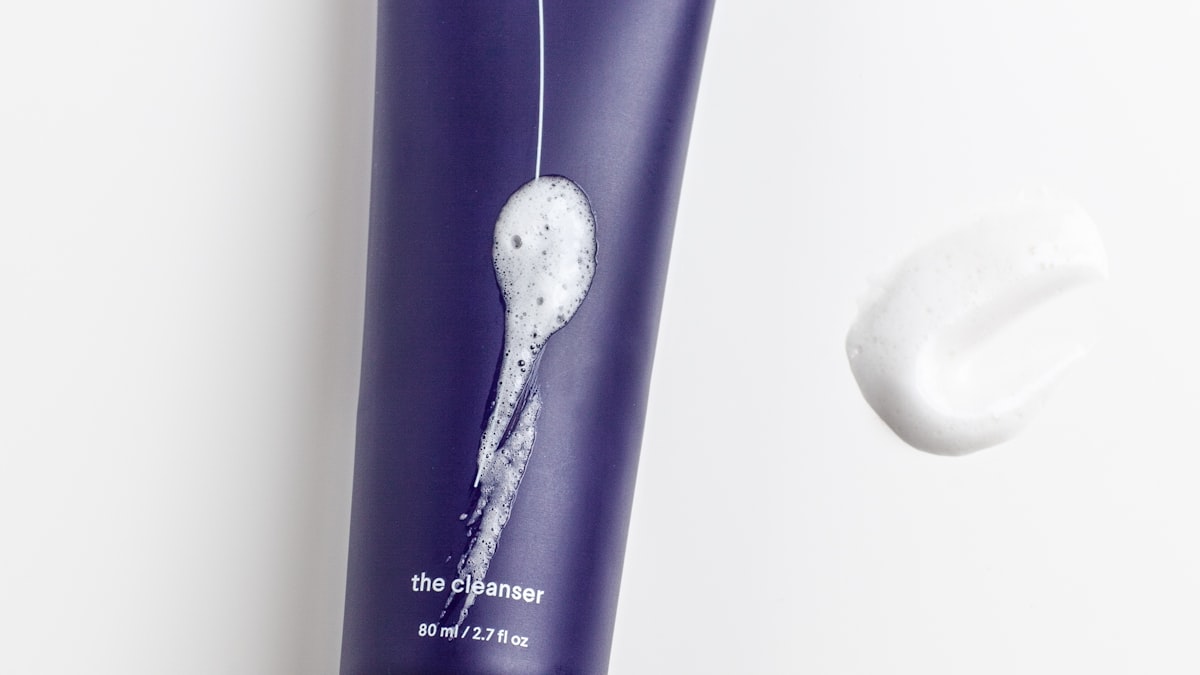
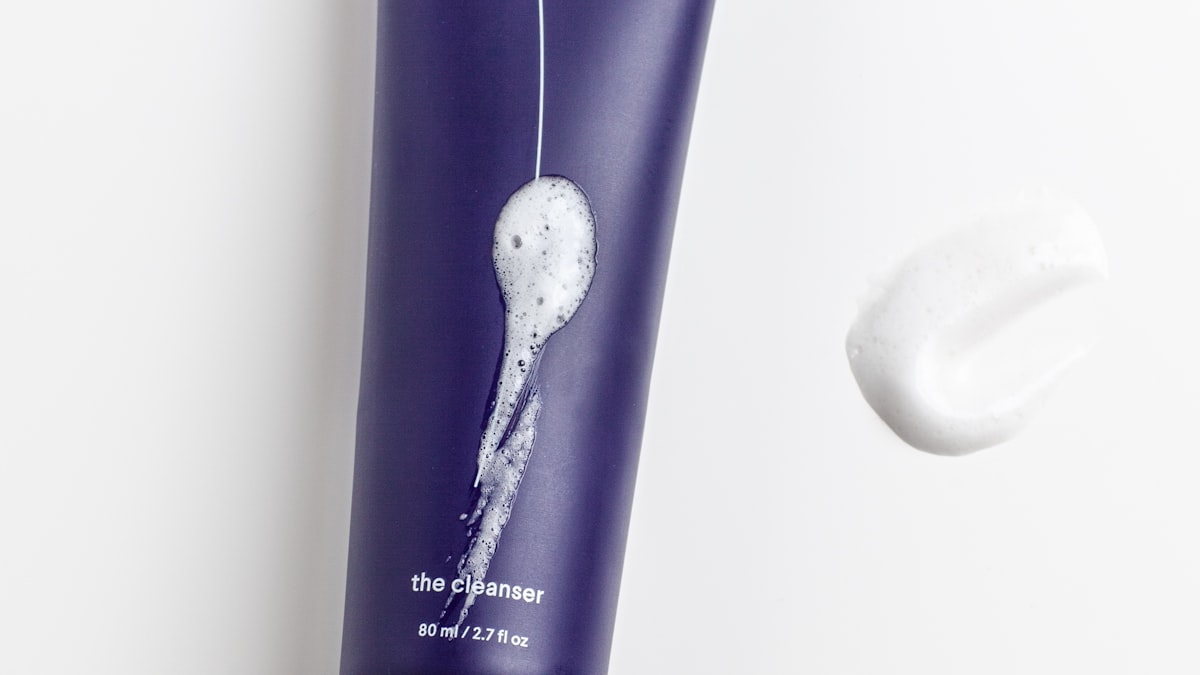
Begin by cleansing away the day’s accumulation of pollution, sweat, and cosmetics. If wearing water-resistant SPF or makeup, begin with a gentle micellar water or light cleansing oil, followed by a balanced foaming cleanser that maintains the skin’s acidic pH. Massage thoroughly over damp skin for 60 seconds, paying particular attention to the hairline, jawline, and sides of the nose. Rinse clean with lukewarm water and pat dry gently.
Step 2: Hydrating Essence or Liquid Humectant
Immediately after cleansing, while the skin is still supple, dispense a nutrient-rich essence into clean palms and pat directly into the face. Formulations enriched with snail secretion filtrate or hyaluronic acid flood the intercellular matrix with water-binding glycosaminoglycans, significantly lowering surface tension and preparing deeper skin layers for active serum penetration.
Step 3: Targeted Active or Retinoid Therapy
Allow your essence 2 to 3 minutes to absorb so the skin surface is dry to the touch. Applying retinoids to damp skin drastically accelerates penetration velocity, which often triggers localized stinging and retinoid dermatitis. Dispense a pea-sized drop of retinol across the forehead, cheeks, and chin, smoothing outward while avoiding the immediate lower eyelids and lips.
Step 4: Evening Barrier Moisturizer & Recovery Balm
Lock in cellular moisture with a dedicated night lotion containing physiological lipids (ceramides, cholesterol, and fatty acids) alongside soothing niacinamide. On evenings when your skin feels tight or sensitive, layer a small amount of a multi-purpose panthenol-rich recovery balm over delicate areas to create a protective, soothing moisture cocoon.
Curated Products for This Protocol
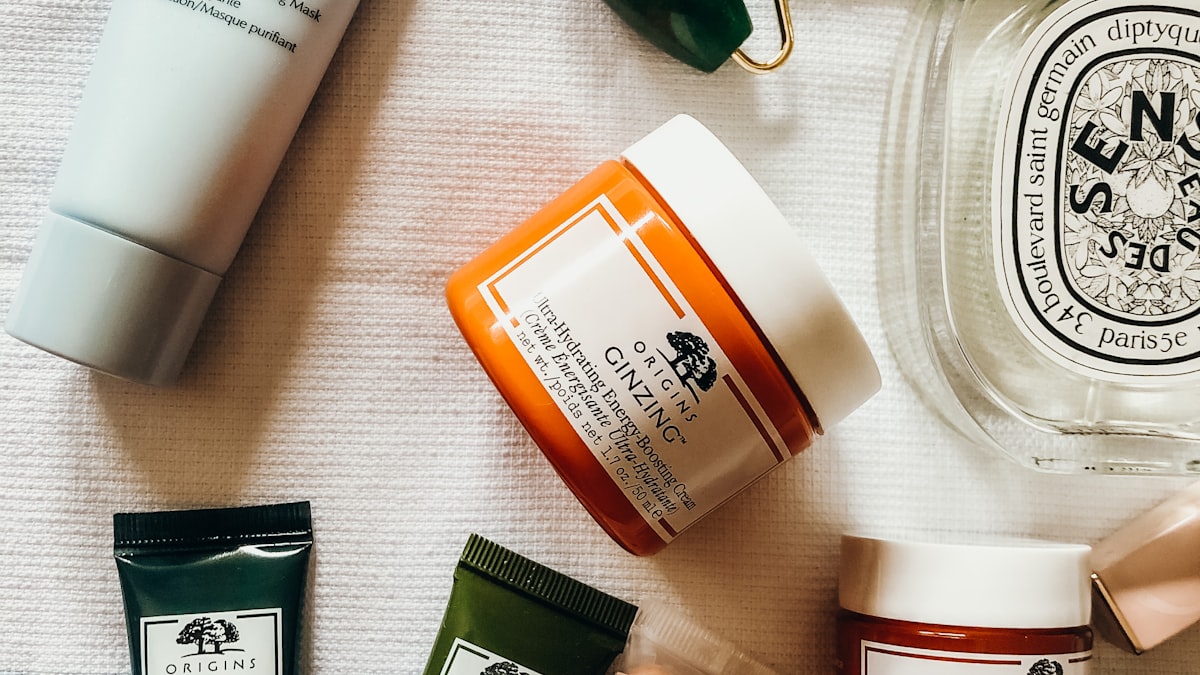
Each product below has been selected for verified ingredient efficacy, skin barrier compatibility, and reliable formulation performance.
CeraVe Foaming Facial Cleanser
Effectively dissolves sebum, environmental grime, and light cosmetic traces without over-stripping the protective skin barrier.
COSRX Advanced Snail 96 Mucin Power Essence
Rich in natural allantoin, glycolic acid traces, and bio-identical glycosaminoglycans that replenish nocturnal hydration and calm redness.
CeraVe PM Facial Moisturizing Lotion
Clinically balanced formulation that restores epidermal lipids and reduces nocturnal trans-epidermal water loss without clogging pores.
La Roche-Posay Cicaplast Baume B5+
The premier emergency recovery balm for compromised, dry, peeling, or retinoid-irritated skin.
The Ordinary Retinol 0.2% in Squalane
Delivers unbuffered retinol in a nourishing emollient base, minimizing the classic dryness associated with initial retinoid therapy.
Common Night Skincare Pitfalls to Avoid
Damp skin has significantly higher permeability than dry skin. Applying retinoids over moisture drives the active ingredient deeper and faster than the skin can tolerate, resulting in erythema, flaking, and barrier inflammation.
Slugging (applying 100% petrolatum balm over the entire face) is excellent for pure dry recovery. However, slugging over prescription retinoids or concentrated exfoliating acids traps those actives under an impermeable seal, dramatically increasing irritation risk.
Using abrasive physical scrubs at night to remove long-wear foundation causes microscopic fissures in the stratum corneum. Gentle surfactant chemistry and double cleansing are vastly superior for skin longevity.
Protocol Comparison & Selection Guide
Compare active attributes, textures, and specific indications across the recommended selections:
| Evening Step | Target Action | Key Ingredient Highlight | Best Application Order |
|---|---|---|---|
| 1. Cleanser | Purify pores and remove sunscreen/pigments | Ceramides, Gentle Surfactants | First step on damp face |
| 2. Essence | Hydrate and flood skin with reparative mucin | 96.3% Snail Secretion Filtrate | Immediately after cleansing |
| 3. Retinol | Stimulate nocturnal cellular turnover | Retinol in Squalane | On completely dry skin |
| 4. PM Lotion | Reinforce lipid matrix and lock in moisture | Ceramides, Niacinamide | Over active serum |
| 5. Recovery Balm | Emergency seal for dry or irritated zones | 5% Panthenol, Madecassoside | Final step on compromised areas |
Frequently Asked Questions
Begin with 1 to 2 nights per week spaced evenly (such as Monday and Thursday). Monitor your skin for 3 to 4 weeks. If no redness or peeling occurs, increase to every other night, and eventually nightly as tolerated.
Yes! Snail mucin is deeply soothing and hydrating, containing no conflicting acids. Apply snail mucin first, let it absorb until dry, and follow with your retinol and moisturizer.
The sandwich method involves applying a thin layer of moisturizer first, waiting 5 minutes, applying your retinol, and finishing with another layer of moisturizer. This buffers active absorption and prevents irritation.
Yes. Pillowcases accumulate nocturnal sebum, residual hair care oils, and dead skin cells that can harbor bacteria. Dermatologists recommend laundering pillowcases in fragrance-free detergent every 3 to 4 days.
Waking up to dullness typically signifies elevated nocturnal trans-epidermal water loss. If your bedroom humidity is low or your night moisturizer is too light, moisture evaporates overnight, leaving surface cells parched.
Healthy skin is built on steady consistency rather than aggressive experimentation. Give your skin at least 4 to 6 weeks to adapt to any adjustments in your routine before expecting structural cellular change.
Notice: Product selections are based on editorial cosmetic research and are not a substitute for professional medical advice. If you experience persistent dermatitis, severe acne, or acute barrier compromise, please consult a licensed board-certified dermatologist.