Your morning skincare routine serves a distinctly different biological purpose than your evening protocol. While nocturnal hours are dedicated to cellular repair and regeneration, daylight hours demand rigorous physiological defense. Throughout the day, your skin confronts an onslaught of environmental stressors: solar ultraviolet radiation (both UVA and UVB), high-energy visible blue light, airborne particulate pollution, and ambient humidity fluctuations that trigger trans-epidermal water loss (TEWL). A well-orchestrated AM routine is not about applying ten different products; rather, it is about creating a protective, resilient shield that keeps moisture in and oxidizing radicals out.
- The morning goal is strictly physiological protection: antioxidant radical scavenging plus broad-spectrum UV shielding.
- Cleansing in the AM should be exceptionally gentle; aggressive surfactants strip essential overnight barrier lipids.
- Apply Vitamin C (L-ascorbic acid or stable esters) directly to dry, cleansed skin for optimal absorption.
- Allow your moisturizer to settle for 60 to 90 seconds before applying facial sunscreen to prevent pilling.
- Sunscreen is the non-negotiable anchor: apply 1/4 teaspoon for full facial coverage regardless of weather.
Safety Reminder: Introduce any new active ingredient gradually. Always perform a patch test on the forearm 24 hours prior to facial application.
The Circadian Biology of Morning Skin
Human skin functions under a rigorous circadian rhythm governed by internal biological clocks. During sleep, cutaneous blood flow surges, cell division peaks, and barrier permeability increases as the skin repairs damage accrued during daytime activity. By the time morning arrives, the skin's barrier has rested, but sebum production naturally begins to elevate around mid-morning, while natural antioxidant stores in the epidermis are at their lowest point.
This circadian state means that your morning skin requires two essential interventions: replenishment of radical-scavenging antioxidants to prepare for solar exposure, and reinforcement of the stratum corneum with physiological lipids (ceramides, cholesterol, and free fatty acids). If you over-wash in the morning with alkaline bar soaps or high-foaming sodium lauryl sulfate cleansers, you strip the delicate acid mantle—raising your skin's natural pH from its healthy slightly acidic range (4.7 to 5.5) toward an alkaline state. This disrupts enzymatic activity and triggers reactive sebum production.
Furthermore, ultraviolet radiation generates reactive oxygen species (ROS) that break down dermal collagen fibrils and stimulate melanin-producing melanocytes, resulting in premature photoaging, solar lentigines, and loss of structural elasticity. By coupling a topical antioxidant such as Vitamin C with broad-spectrum sunscreen filters, you establish a multi-tiered photoprotective barrier that neutralizes free radicals before they inflict nuclear DNA damage.
The Four-Step Morning Protocol
A successful daytime routine follows the dermatological principle of thinnest to thickest consistency, respecting molecular size and solvent bases. Here is the structured step-by-step sequence recommended for daily morning skin resilience:
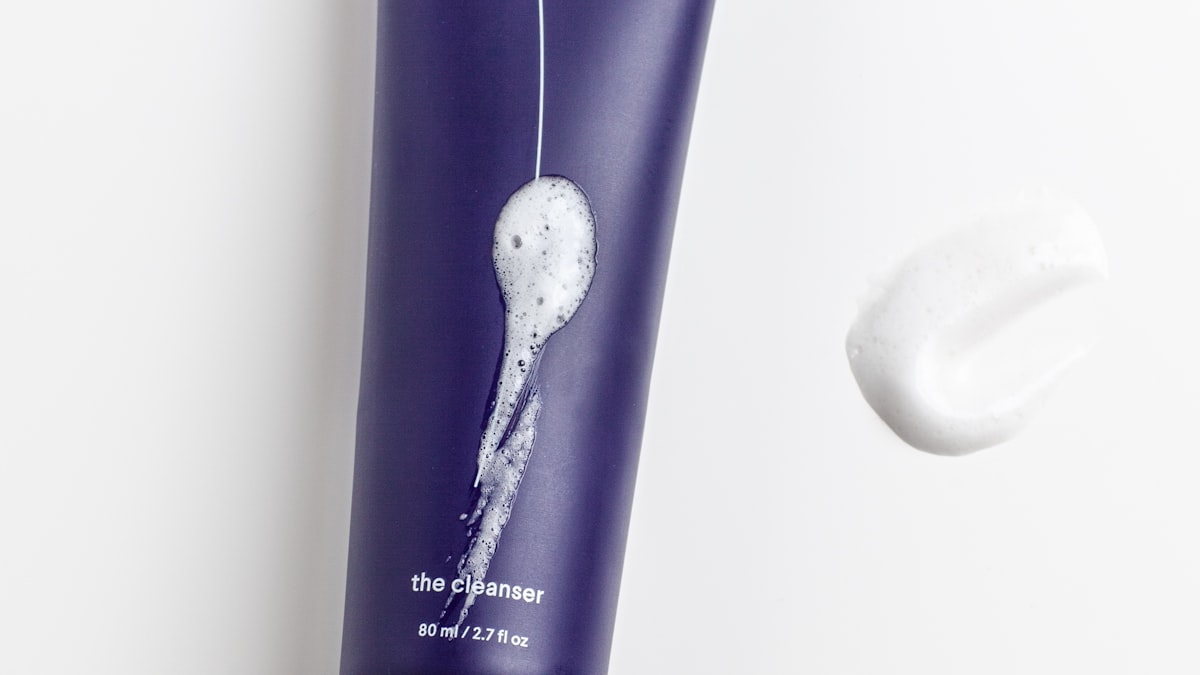
Step 1: Gentle Awakening Cleanser
Unless you have exceptionally oily or acne-prone skin, your morning face does not harbor significant environmental grime or cosmetic pigments. It simply contains residual evening skincare, natural overnight perspiration, and trace dead corneocytes. Use a sulfate-free, non-foaming lotion cleanser or simply lukewarm water if your barrier is fragile. Massage with light circular motions for 30 to 45 seconds, rinse with tepid water, and gently pat (never rub) with a clean microfiber towel, leaving skin slightly damp.
Step 2: Targeted Antioxidant Defense (Vitamin C)
Apply your antioxidant serum immediately following cleansing. Pure L-ascorbic acid thrives at a low pH (typically below 3.5), making it critical to apply directly to bare, clean skin before heavier emulsions. Dispense 4 to 5 drops into your palms and press evenly across the face, neck, and upper décolletage. Vitamin C not only neutralizes free radicals induced by sunlight and smog, but also inhibits the enzyme tyrosinase, helping to prevent uneven pigmentation and dullness.
Step 3: Lightweight Lipid Barrier Hydration
Even if you plan to wear sunscreen, an emollient moisturizer containing ceramides, hyaluronic acid, or glycerin is vital to secure cellular hydration. A lightweight lotion or water-gel prevents trans-epidermal water loss without creating a heavy occlusive barrier that causes daytime makeup or sunscreen to slide. Press gently into the cheeks, forehead, and jawline, allowing 60 seconds to absorb completely.
Step 4: Broad-Spectrum Daily Sunscreen (SPF 30+)
Sunscreen is the undisputed foundation of any daytime skincare regimen. Apply a generous 1/4 teaspoon (the length of two fingers) of broad-spectrum SPF 30 or higher across your entire face, with an additional amount for your neck and ears. Look for modern formulations featuring mineral zinc oxide or cosmetically elegant chemical filters that dry down completely clear without stickiness or white cast.
Layering Chemistry: pH & Texture Order
Understanding formulation chemistry ensures your active ingredients deliver real clinical efficacy without triggering irritant contact dermatitis:
- Aqueous Serums Before Emulsions: Water-based hydrators and active serums have smaller molecular profiles and must penetrate the stratum corneum before oil-containing lotions deposit their lipid films.
- Waiting Intervals: Allow active Vitamin C serums 60 seconds to bind with surface skin proteins before applying subsequent creams. This prevents unintended pH neutralization.
- Sunscreen as the Final Barrier: Never apply facial oils or rich moisturizers on top of your sunscreen. Sunscreen forms a continuous protective microscopic polymer film on the surface of the skin; disturbing this film drastically diminishes UV attenuation.
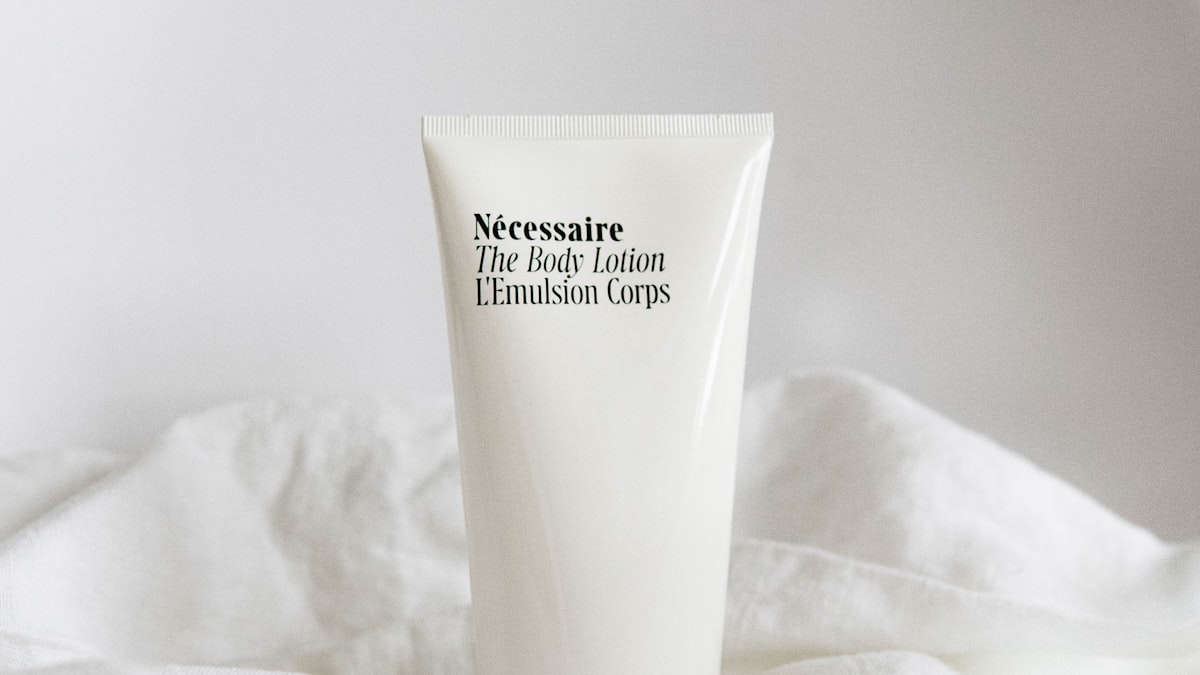
Curated Products for This Protocol
Each product below has been selected for verified ingredient efficacy, skin barrier compatibility, and reliable formulation performance.
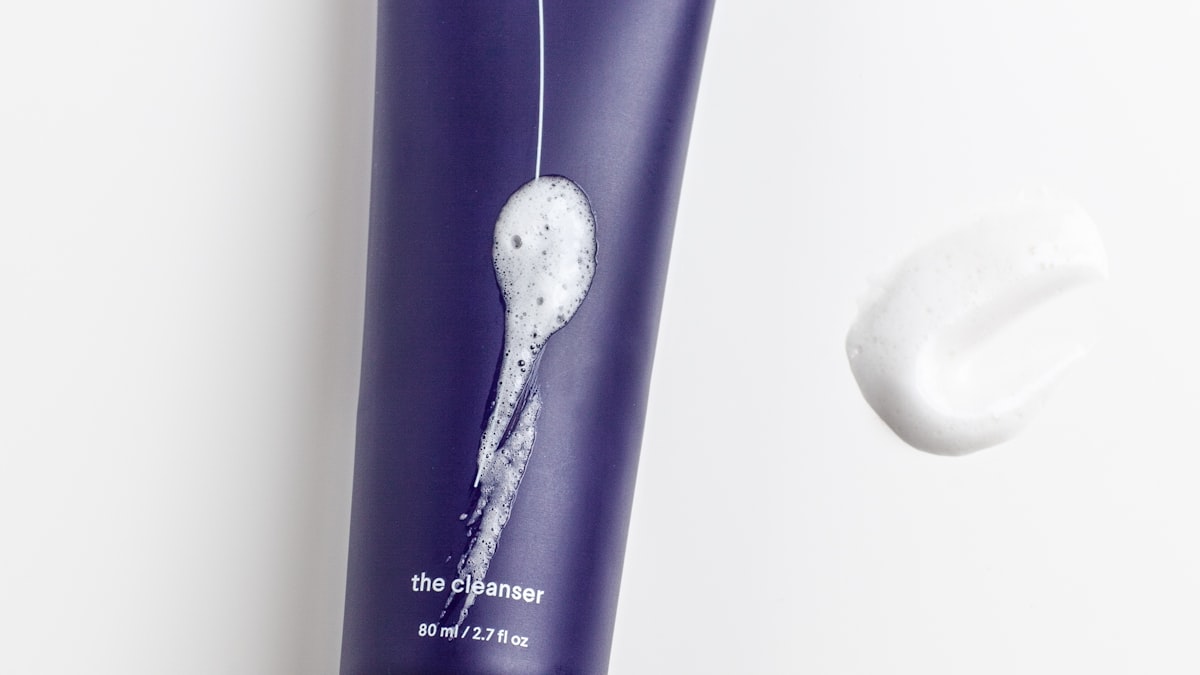
CeraVe Hydrating Facial Cleanser
Selected as the foundational morning cleanser because its gentle surfactant system cleanses without disturbing the skin acid mantle or stripping natural overnight lipids.
CeraVe Vitamin C Serum with Hyaluronic Acid
Provides accessible, stabilized topical Vitamin C supported by barrier-repair lipids to brighten skin tone and combat daytime oxidative stress.
CeraVe Daily Moisturizing Lotion
Provides dependable 24-hour hydration without heavy oils, making it the ideal daytime buffer beneath daily sunscreen.
La Roche-Posay Anthelios Melt-in Milk Sunscreen SPF 60
Offers robust photostable protection against both aging UVA and burning UVB rays with a fast-absorbing velvety finish.
EltaMD UV Clear Broad-Spectrum SPF 46
Widely praised by skincare professionals for soothing breakout-prone, sensitive, and hyperpigmentation-prone complexions.
Critical Morning Skincare Mistakes to Avoid
Even with high-quality formulations, incorrect daytime habits can undermine skin vitality. Keep these clinical cautions in mind:
Applying high-strength alpha hydroxy acids (glycolic or lactic acid) in the morning increases photosensitivity. The removal of surface corneocytes leaves fresh skin vulnerable to UV-induced erythema and DNA damage. Save resurfacing acids for evening application.
Foundations and tinted powders labeled SPF 15 or 20 rarely provide adequate protection because no one applies the requisite 1/4 teaspoon amount needed to achieve the tested rating. Always wear a dedicated facial sunscreen beneath makeup.
Up to 80% of solar UVA rays penetrate cloud cover and standard residential window glass. Because UVA radiation penetrates deep into the dermal matrix to degrade elastin and collagen without causing sunburn, daily sunscreen remains non-negotiable year-round.
Protocol Comparison & Selection Guide
Compare active attributes, textures, and specific indications across the recommended selections:
| Routine Step | Primary Objective | Key Actives | Wait Time Before Next Step |
|---|---|---|---|
| 1. Cleanser | Remove nocturnal debris without stripping | Ceramides, Hyaluronic Acid | None (leave slightly damp) |
| 2. Antioxidant | Neutralize environmental free radicals | 10% L-Ascorbic Acid, Vitamin E | 60 seconds |
| 3. Moisturizer | Prevent trans-epidermal water loss | Ceramides, Glycerin | 60 to 90 seconds |
| 4. Facial SPF | Broad-spectrum UVA/UVB defense | Zinc Oxide, Photostable Filters | 2 to 3 minutes before makeup |
Frequently Asked Questions
For dry, sensitive, or barrier-compromised skin, a simple rinse with lukewarm water is often sufficient to preserve overnight natural lipids. However, if you wake up with excess sebum or applied heavy occlusives the night before, a gentle, non-foaming hydrating cleanser is ideal.
Yes, this is considered the gold standard morning combination. Vitamin C neutralizes free radicals generated by UV rays that manage to penetrate sunscreen filters, creating a powerful synergistic defense.
Pilling occurs when silicone-heavy moisturizers and sunscreens clash or when products are layered too quickly. Ensure your moisturizer has absorbed for at least 90 seconds before applying sunscreen, and pat rather than rub vigorously.
If your sunscreen is formulated in a rich, emollient lotion base and your skin type is oily or combination, you can often skip separate moisturizer in humid summer months. Listen to your skin’s comfort.
It is strongly advised to keep retinol in your nighttime routine. Most retinoids degrade rapidly when exposed to sunlight, rendering them ineffective, while also increasing daytime skin sensitivity.
Healthy skin is built on steady consistency rather than aggressive experimentation. Give your skin at least 4 to 6 weeks to adapt to any adjustments in your routine before expecting structural cellular change.
Notice: Product selections are based on editorial cosmetic research and are not a substitute for professional medical advice. If you experience persistent dermatitis, severe acne, or acute barrier compromise, please consult a licensed board-certified dermatologist.