
Your twenties represent the foundational golden era of dermatological care. While cellular turnover and natural collagen synthesis remain relatively robust during this decade, subtle environmental degradation begins silently beneath the surface. Establishing a disciplined preventative routine focused on barrier integrity, steady hydration, and relentless solar protection is the single most impactful investment you can make for your future skin.
- The primary goal of your 20s is prevention and protection: shielding fibroblasts from UV degradation and oxidative pollution.
- Resist the temptation to over-exfoliate or bombard youthful skin with aggressive high-percentage peeling acids.
- Broad-spectrum daily SPF 50+ is non-negotiable; up to 80-90% of visible premature facial aging is caused by preventable UV exposure.
- Support the lipid barrier with gentle ceramides, niacinamide, and humectants to maintain hydration and calm occasional stress breakouts.
Safety Reminder: Introduce any new active ingredient gradually. Always perform a patch test on the forearm 24 hours prior to facial application.
Skin Physiology in Your Twenties
Throughout your early twenties, the epidermis naturally renews itself roughly every 28 days. Fibroblasts within the extracellular dermis operate efficiently, synthesizing Type I and Type III collagen, elastin fibres, and structural glycosaminoglycans that give skin its signature firmness and rebound elasticity.
However, starting around age 25, clinical studies demonstrate that natural collagen production begins a gradual decline of approximately 1% per year. Simultaneously, free radical damage from solar ultraviolet radiation, urban ozone, and lifestyle stressors begins degrading endogenous antioxidant reservoirs (such as superoxide dismutase and glutathione). Microscopic collagen cross-linking and subtle photo-damage begin long before fine lines become visible in the mirror. Establishing cellular defense mechanisms in your twenties prevents deep matrix degradation decades down the road.
The Essential 4-Pillar Routine (Cleanse, Balance, Hydrate, Shield)
In your twenties, complexity is the enemy of consistency. A crowded 10-step shelf often leads to barrier compromise and irritant contact dermatitis. Dermatologists advise mastering four fundamental pillars:
- 1. Non-Stripping Cleansing: A pH-balanced, surfactant-gentle cleanser removes excess sebum and grime without disrupting intercellular ceramides.
- 2. Sebum & Tone Balancing: Moderate-strength niacinamide (2–5%) balances follicular sebum production and fortifies lipid barrier synthesis.
- 3. Light Lipid Hydration: Water-based lotions rich in ceramides and hyaluronic acid lock moisture into the stratum corneum without pore congestion.
- 4. Non-Negotiable Photoprotection: Broad-spectrum daily sunscreen (SPF 30–50+) stops UVA matrix degradation dead in its tracks.
Lifestyle Factors: Stress, Sleep & Screen Time
Twenties are frequently accompanied by career beginnings, academic demands, irregular sleep schedules, and dietary fluctuations. Cortisol surges trigger pro-inflammatory cytokines that stimulate sebaceous glands, leading to stubborn adult hormonal acne along the chin and jawline:
The 20s Lifestyle Checklist for Clear Skin
- Circadian Sleep Hygiene: Aim for 7–8 hours of restorative sleep; nocturnal cellular repair peaks between 11 PM and 3 AM.
- Hydration & Electrolytes: Maintain daily water intake to support trans-epidermal osmotic pressure.
- Smartphone Surface Sanitization: Clean your mobile screen regularly to eliminate bacterial transfer to cheek surfaces.
Curated Products for This Protocol
Each product below has been selected for verified ingredient efficacy, skin barrier compatibility, and reliable formulation performance.
CeraVe Hydrating Facial Cleanser
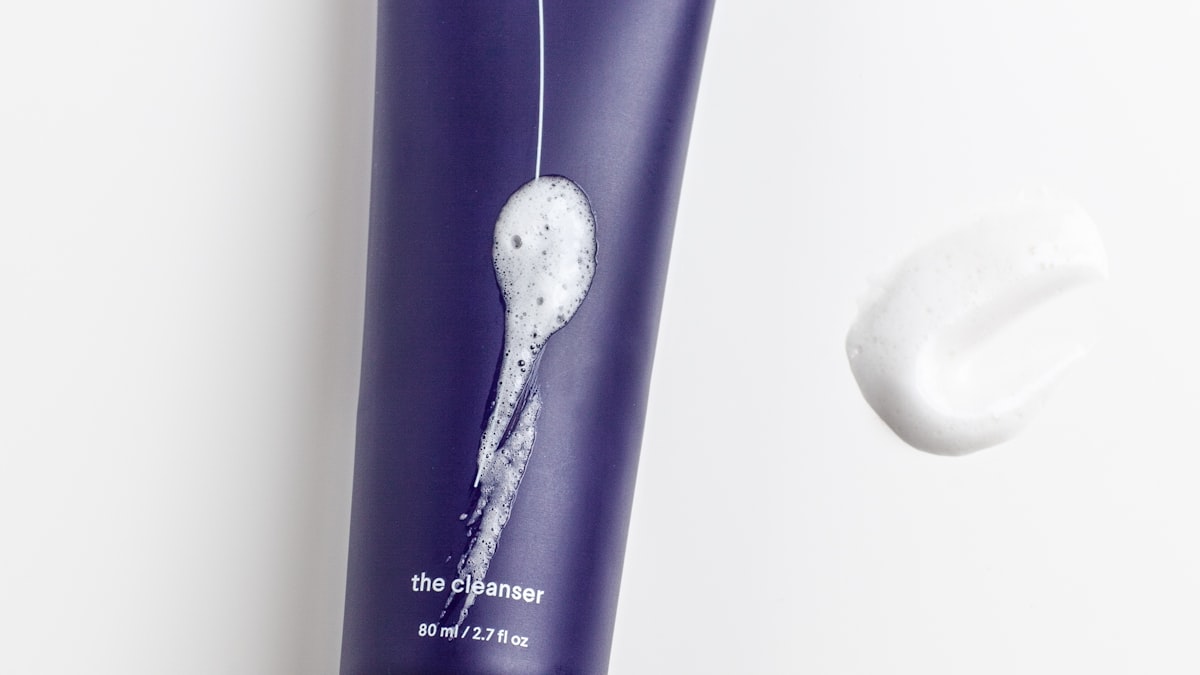
In your 20s, harsh foaming cleansers frequently strip the delicate stratum corneum, prompting rebound oil production. CeraVe Hydrating Cleanser respects your barrier by utilizing patented MVE delivery technology to infuse ceramides while gently dissolving daily pollutants.
The Ordinary Niacinamide 10% + Zinc 1%
Twenties skin often contends with hormonal fluctuations and lingering post-breakout dark marks. Niacinamide (Vitamin B3) strengthens the lipid barrier and regulates excess surface shine, while zinc PCA calms inflammation and refines enlarged pores.
CeraVe Daily Moisturizing Lotion
Young adult skin needs reliable hydration without heavy pore clogging. This oil-free emulsion delivers continuous moisture release through controlled MVE technology, leaving a smooth, weightless finish that wears beautifully under sunscreen and makeup.
Beauty of Joseon Relief Sun: Rice + Probiotics SPF50+ PA++++
Sunscreen is your number-one anti-aging weapon in your twenties. Beauty of Joseon transformed sunscreen compliance worldwide by formulating a product that feels like a soothing moisturizer with zero white cast, zero stickiness, and zero eye sting.
COSRX Advanced Snail 96 Mucin Power Essence
Late nights, college study sessions, and urban pollution can leave 20s skin looking parched and dull. This soothing essence saturates the epidermis with natural elastin and hyaluronic acid, providing immediate plumping resilience and smoothing micro-textures.
Common 20s Skincare Mistakes to Avoid
1. Overusing Multiple Strong Chemical Exfoliants
Layering salicylic acid wash, glycolic toner, and high-percentage peeling solutions simultaneously strips the acid mantle, causing chronic micro-inflammation and rebound breakouts. Limit active acid exfoliation to 1–2 evenings per week.
2. Skipping Sunscreen on Overcast or Indoor Days
UVA rays penetrate cloud cover and standard window glass, causing silent collagen destruction year-round. Daily broad-spectrum SPF is required regardless of the weather forecast.
3. Sleeping in Makeup After Late Nights
Leaving cosmetic pigments and oxidized sebum on your skin overnight traps bacteria and triggers inflammatory papules. Keep gentle micellar water or a balm cleanser on your bedside table for effortless removal.
Protocol Comparison & Selection Guide
Compare active attributes, textures, and specific indications across the recommended selections:
| Product Name | Core Active Component | Texture Profile | Primary Benefit | Ideal Skin Type |
|---|---|---|---|---|
| CeraVe Hydrating Cleanser | 3 Ceramides + Hyaluronic Acid | Silky Lotion Cream | Gentle Non-Stripping Clean | Normal to Dry, Sensitive |
| The Ordinary Niacinamide 10% | 10% Niacinamide + 1% Zinc | Lightweight Clear Serum | Pore & Oil Balance | Oily, Combination, Acne |
| CeraVe Daily Lotion | Ceramides 1, 3, 6-II | Featherlight Fluid Lotion | 24-Hour Barrier Hydration | All Skin Types |
| Beauty of Joseon Relief Sun | 30% Rice Extract + SPF 50+ | Hydrating Velvet Cream | Broad-Spectrum UV Defense | All Skin Types |
| COSRX Snail 96 Essence | 96.3% Snail Secretion Filtrate | Gliding Bouncy Gel | Glass Skin & Barrier Plump | Dehydrated & Dull Skin |
Frequently Asked Questions
Not necessarily. In your early twenties, sunscreen, hydration, and antioxidants are your highest priorities. If you struggle with acne or texture, a gentle encapsulated retinol or OTC adapalene can be introduced around age 24 to 26 under moderation.
Yes. Topical vitamin C neutralizes environmental free radicals and boosts the efficacy of your daily sunscreen, making it an outstanding preventative morning active.
Focus on consistent barrier repair, avoid picking, and incorporate anti-inflammatory ingredients like niacinamide, zinc, and gentle 2% BHA salicylic acid treatments 2–3 nights weekly.
Generally no. Bringing your regular gentle moisturizer and daytime sunscreen up around the orbital bone (avoiding direct ocular contact) provides ample hydration and protection for 20s skin.
Pubertal sebum surges naturally taper off in your early twenties. Additionally, over-stripping acne cleansers may have compromised your moisture barrier, leading to dehydration-induced dryness.
Healthy skin is built on steady consistency rather than aggressive experimentation. Give your skin at least 4 to 6 weeks to adapt to any adjustments in your routine before expecting structural cellular change.
Notice: Product selections are based on editorial cosmetic research and are not a substitute for professional medical advice. If you experience persistent dermatitis, severe acne, or acute barrier compromise, please consult a licensed board-certified dermatologist.