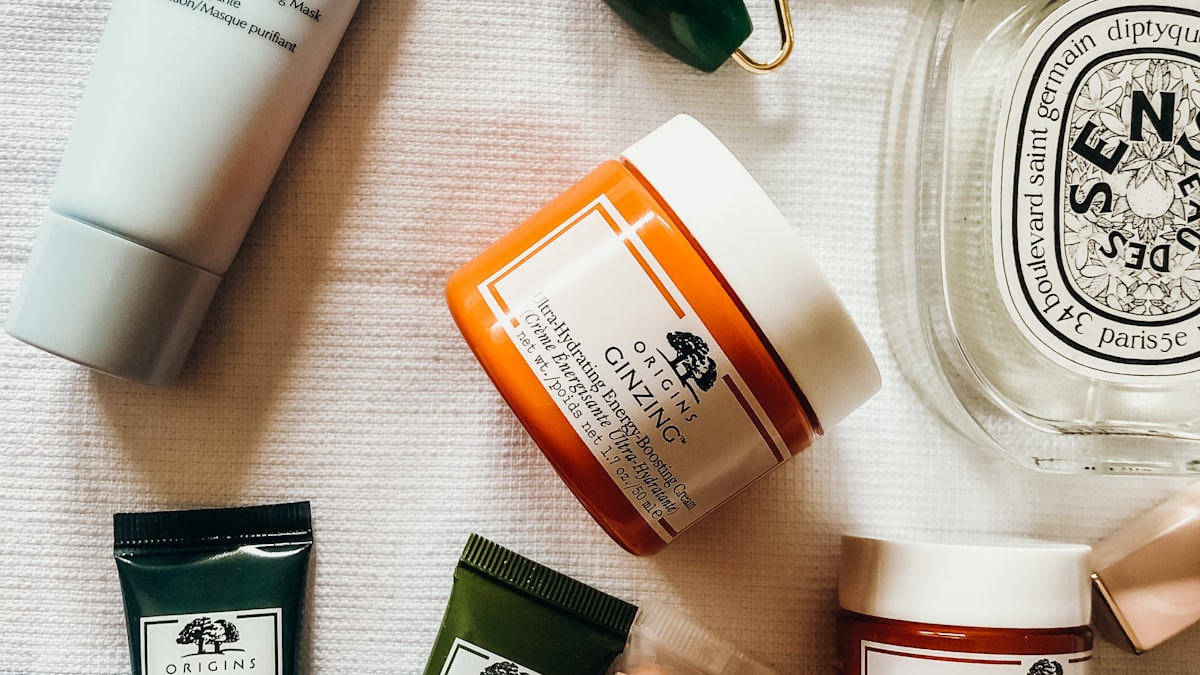
Moisturizers are frequently misunderstood as simply adding water to the skin. In reality, healthy skin hydration is a complex tripartite mechanism involving water capture, intercellular lipid replenishment, and evaporation prevention. The outermost layer of human skin—the stratum corneum—is structured like a brick wall: dead keratin-rich corneocytes represent the bricks, while a specialized lipid matrix consisting of ceramides, cholesterol, and free fatty acids represents the mortar. When this lipid mortar is compromised by age, aggressive cleansing, or cold environmental air, water rapidly escapes through trans-epidermal water loss (TEWL). Choosing the right daily moisturizer is about identifying which category of hydrating agent your skin requires most.
- Moisturizers rely on three core ingredient families: humectants (water attractors), emollients (lipid replenishers), and occlusives (evaporation sealers).
- Oily and acne-prone skin types thrive with humectant-dense water gels that hydrate without pore-clogging heavy waxes.
- Dry skin requires physiological lipid restoration with ceramides 1, 3, and 6-II in a rich emollient emulsion.
- Sensitive or reactive skin benefits most from minimalist, fragrance-free formulations with zero botanical essential oils.
- Apply moisturizer while skin is slightly damp from cleansing to seal in ambient water molecules.
Safety Reminder: Introduce any new active ingredient gradually. Always perform a patch test on the forearm 24 hours prior to facial application.
The Three Pillars: Humectants, Emollients & Occlusives
Every effective facial moisturizer balances three functional classes of ingredients:
- Humectants: Molecules like hyaluronic acid, glycerin, urea, and sodium PCA possess high hydrogen-bonding capacity, drawing water vapor from the dermis and ambient air directly into the stratum corneum.
- Emollients: Lipids such as squalane, jojoba oil, ceramides, and caprylic triglycerides slip into the microscopic crevices between flaking corneocytes, smoothing skin surface roughness and restoring flexibility.
- Occlusives: Heavier hydrophobic substances like petrolatum, dimethicone, and beeswax form an invisible physical film over the skin surface, slashing trans-epidermal water loss by up to 98%.
Matching Formulations to Your Unique Skin Type
Choosing an ill-suited moisturizer creates predictable skin issues: rich occlusives on oily complexions can induce follicular congestion, while ultra-light gels on dry skin leave the barrier parched and vulnerable within two hours.
For Oily & Combination Complexions: Prioritize oil-free water gels powered by hyaluronic acid and dimethicone. Dimethicone imparts an elegant, breathable non-comedogenic slip without leaving an oily residue.
For Dry & Mature Complexions: Seek rich creams formulated with multi-ceramide complexes, shea butter, and physiological fatty acids to replenish declining natural sebum.
Curated Products for This Protocol
Each product below has been selected for verified ingredient efficacy, skin barrier compatibility, and reliable formulation performance.
CeraVe Daily Moisturizing Lotion
The gold standard everyday moisturizer that delivers non-greasy, all-day hydration while continuously releasing three essential ceramides.
CeraVe Moisturizing Cream
Provides intensive lipid recovery and long-lasting occlusive protection without feeling greasy or triggering acne.
Vanicream Daily Facial Moisturizer
Created specifically for reactive, allergy-prone, and rosacea-prone skin requiring maximum hydration with zero irritants.
La Roche-Posay Toleriane Double Repair Face Moisturizer
Supports the cutaneous microbiome while repairing the physical moisture shield and reducing redness.
Neutrogena Hydro Boost Water Gel
Instantly quenches dehydrated skin layers with a cooling sensation, absorbing in seconds with zero greasy residue.
Maximizing Moisturizer Efficacy: Common Mistakes
Humectants like hyaluronic acid need available water to bind to. Applying moisturizer onto bone-dry skin in low-humidity environments can cause humectants to draw moisture outward from deeper dermis layers. Always apply to damp skin.
Depriving oily skin of hydration often triggers reactive hyper-seborrhea: your sebaceous glands produce even more oil to compensate for water dehydration. A lightweight water gel restores water balance without adding oil.
Protocol Comparison & Selection Guide
Compare active attributes, textures, and specific indications across the recommended selections:
| Product | Texture | Primary Actives | Best Skin Concern |
|---|---|---|---|
| CeraVe Daily Lotion | Lightweight lotion | Ceramides 1, 3, 6-II, HA | Everyday normal/dry maintenance |
| CeraVe Moisturizing Cream | Rich emollient cream | Ceramides, Petrolatum | Chronic dryness & barrier damage |
| Vanicream Daily Moisturizer | Silky gentle lotion | 5 Ceramides, Squalane | Hypersensitive & allergy-prone |
| La Roche-Posay Toleriane | Nourishing cream | Prebiotics, Ceramide-3, Niacinamide | Redness & microbiome support |
| Neutrogena Hydro Boost | Weightless water gel | Hyaluronic Acid, Dimethicone | Oily skin & humid daytime wear |
Frequently Asked Questions
Dry skin is a genetic skin type that produces insufficient natural sebum lipids. Dehydrated skin is a temporary skin condition characterized by insufficient water content in the stratum corneum, which can affect oily and dry types alike.
High-purity cosmetic petrolatum is non-comedogenic because its molecular size is too large to enter the pore lining. However, if applied over unwashed dirt or sebum, it can seal those impurities in, so always apply to clean skin.
Yes. A well-formulated, fragrance-free barrier moisturizer works equally well morning and evening, provided you follow with a dedicated broad-spectrum sunscreen during the day.
A dime- to nickel-sized amount is generally sufficient for the entire face. Using excessive amounts does not increase hydration and can cause pilling beneath daytime sunscreen.
Ceramides are physiological waxy lipids that make up approximately 50% of the skin’s natural barrier mortar. Supplementing ceramides topically restores barrier cohesion and prevents water loss.
Healthy skin is built on steady consistency rather than aggressive experimentation. Give your skin at least 4 to 6 weeks to adapt to any adjustments in your routine before expecting structural cellular change.
Notice: Product selections are based on editorial cosmetic research and are not a substitute for professional medical advice. If you experience persistent dermatitis, severe acne, or acute barrier compromise, please consult a licensed board-certified dermatologist.