
In your fifties, skin experiences its most pronounced physiological transformation. With the onset of menopause, estrogen production declines by up to 90%, causing skin to lose approximately 30% of its dermal collagen within the first five post-menopausal years. Skincare in your 50s is dedicated to profound nourishment: replenishing depleted intercellular lipids, restoring structural volume, soothing heightened barrier sensitivity, and cultivating lasting luminosity.
- Menopausal estrogen drop leads to a rapid 30% loss of dermal collagen and significant reduction in natural sebum synthesis.
- Barrier restoration is vital: incorporate rich creams packed with physiological lipids (ceramides, cholesterol, fatty acids) and niacinamide.
- Gentle, stabilized retinoids remain effective for cellular renewal but must be balanced with intense buffering moisturizers.
- Target delicate eye contours and perioral areas with peptide-rich creams to reduce crow's feet and lip feathering lines.
Safety Reminder: Introduce any new active ingredient gradually. Always perform a patch test on the forearm 24 hours prior to facial application.
Menopausal Skin Changes in Your 50s
The dermatological hallmark of your fifties is the cessation of ovarian estrogen synthesis. Research published in dermatological journals reveals that skin collagen decreases by an estimated 30% during the first five years following menopause, accompanied by a subsequent 2.1% decline each succeeding year. Dermal thickness decreases noticeably, leading to increased fragility and a paper-thin skin sensation.
Simultaneously, sebaceous gland activity drops dramatically. Without endogenous sebum, the stratum corneum loses its natural hydrophobic barrier shield, causing trans-epidermal water loss (TEWL) to surge. Moisture evaporates rapidly from the skin surface, leaving mature skin vulnerable to dryness, chronic pruritus (itching), flushing, and exaggerated fine wrinkling. Replenishing biomimetic lipids and moisture-locking humectants is no longer an indulgence—it is a physiological necessity.
The 3 Pillars: Lipids, Peptides & Retinoids
A successful 50s skincare strategy balances rejuvenation with barrier protection:
- Physiological Lipid Replenishment: Replacing lost ceramides, fatty acids, and cholesterol restores barrier integrity and prevents moisture evaporation.
- Signal Peptides: Palmitoyl tripeptides and tetrapeptides stimulate surviving fibroblasts to maximize collagen and elastin output without irritation.
- Buffered Retinol: Continues to normalize cellular desquamation and fade age spots, provided it is buffered within a nourishing lipid base.
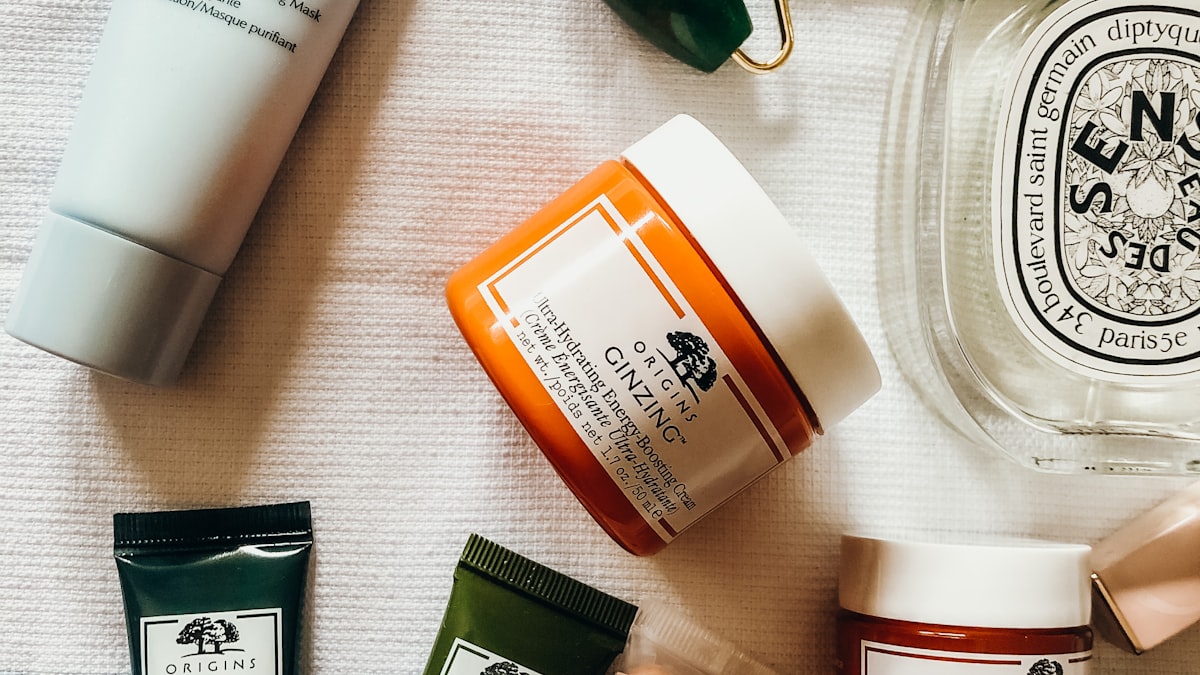
The Optimal 50s Daily Regimen (Morning & Night)
The Restorative 50s Protocol
Morning: Splash with lukewarm water or a soothing cream cleanser -> Hydrating peptide toner -> Peptide firming serum -> Rich ceramide barrier cream -> Nourishing broad-spectrum SPF 40+.
Evening: Conditioning cleansing balm -> Buffering peptide essence -> Encapsulated retinol or night cream -> Deep restorative night balm -> Dedicated eye cream.
Curated Products for This Protocol
Each product below has been selected for verified ingredient efficacy, skin barrier compatibility, and reliable formulation performance.
Olay Regenerist Micro-Sculpting Cream
Olay Regenerist Micro-Sculpting Cream has been clinically proven to improve skin elasticity and moisture from day one. Its high concentration of palmitoyl pentapeptide-4 stimulates collagen synthesis, while niacinamide and hyaluronic acid restore suppleness to menopausal skin.
CeraVe Skin Renewing Night Cream
Designed specifically to rejuvenate tired, thinning skin overnight, this rich night cream reinforces the protective barrier. Its patented MVE delivery technology supplies ceramides and peptides continuously through the night to awake to plumper, deeply softened skin.
RoC Retinol Correxion Eye Cream
The peri-orbital area in your fifties experiences significant thinning, making crow's feet and under-eye hollows more visible. This targeted treatment delivers a micro-dose of pure retinol formulated specifically for delicate eye tissue, smoothing wrinkles without migration or burning.
La Roche-Posay Toleriane Double Repair Face Moisturizer
In your 50s, heightened skin sensitivity and flushing are common consequences of estrogen loss. Toleriane Double Repair restores both the physical lipid barrier and the cutaneous microbiome, providing 48-hour hydration while calming reactive redness.
Neutrogena Rapid Wrinkle Repair Retinol Regenerating Cream
Neutrogena Rapid Wrinkle Repair pairs pure Retinol SA (sustained action) with a glucose complex booster to rapidly accelerate epidermal surface renewal. Rich hyaluronic acid deeply hydrates mature skin, visibly diminishing stubborn wrinkles and age spots within weeks.
Common 50s Skincare Pitfalls to Avoid
1. Washing Face with Foaming or Alkaline Cleansers
Soaps and foaming surfactants strip away what little sebum mature 50s skin produces, accelerating dryness and triggering chronic barrier irritation. Switch exclusively to non-foaming cream, milk, or oil cleansers.
2. Neglecting Crepey Skin on Neck and Hands
Loss of dermal fat pads on the back of hands and neck makes these areas show age rapidly. Apply rich ceramide peptide creams and daily broad-spectrum SPF to hands and neck without fail.
3. Using Hot Water to Wash Face
Hot water dissolves the delicate lipid bilayers of the stratum corneum and exacerbates facial flushing and telangiectasia. Always use lukewarm or cool water.
Protocol Comparison & Selection Guide
Compare active attributes, textures, and specific indications across the recommended selections:
| Product Name | Core Bio-Active Ingredients | Key Dermatological Function | Texture & Feel | Primary Indication |
|---|---|---|---|---|
| Olay Regenerist Micro-Sculpting | Amino-Peptide Complex II + B3 | Firming Sagging Contours & Bounce | Rich Melting Cream | Loss of Elasticity & Volume |
| CeraVe Skin Renewing Night Cream | Biomimetic Peptides + 3 Ceramides | Overnight Barrier Lipid Replenishment | Cocooning Rich Balm | Severe Dryness & Thinning |
| RoC Retinol Correxion Eye Cream | Pure RoC Retinol + Mineral Complex | Targeted Crow's Feet & Puffiness | Silky Eye Fluid | Crepey Under-Eye Wrinkles |
| La Roche-Posay Toleriane Double Repair | Ceramide-3 + Prebiotic Water | Microbiome & Barrier Soothing | Soothing Gentle Lotion | Sensitive Menopausal Skin |
| Neutrogena Rapid Wrinkle Repair | Retinol SA + Hyaluronic Acid | Rapid Cell Renewal & Wrinkle Lift | Hydrating Plumping Cream | Stubborn Expression Wrinkles |
Frequently Asked Questions
Menopausal estrogen loss drastically reduces natural sebum and hyaluronic acid synthesis, leading to profound trans-epidermal water loss. A rich cream with ceramides and shea butter will immediately relieve this sensation.
Yes. Retinol actually increases epidermal thickness and stimulates pro-collagen synthesis over time. Choose an encapsulated or cream-based formula and apply it over a ceramide moisturizer to eliminate irritation.
Peptides (such as palmitoyl pentapeptide-4) combined with consistent retinoids provide the most reliable topical firming support by signaling fibroblasts to rebuild collagen and elastin structures.
Yes. UVA rays penetrate home and car windows, continuously breaking down fragile collagen and triggering stubborn age spots. Daily broad-spectrum SPF 30–50+ remains essential.
Layer a multi-molecular hyaluronic acid or peptide serum under a thick lipid barrier cream containing ceramides, squalane, or shea butter to rebuild dermal hydration volume.
Healthy skin is built on steady consistency rather than aggressive experimentation. Give your skin at least 4 to 6 weeks to adapt to any adjustments in your routine before expecting structural cellular change.
Notice: Product selections are based on editorial cosmetic research and are not a substitute for professional medical advice. If you experience persistent dermatitis, severe acne, or acute barrier compromise, please consult a licensed board-certified dermatologist.