
A damaged skin barrier is one of the most common modern skincare emergencies, frequently triggered by the well-intentioned overuse of potent active ingredients—combining retinoids, exfoliating acids (AHA/BHA), and foaming cleansers simultaneously. In dermatology, your skin barrier (the stratum corneum) is your body's primary biological shield against the outside world. When this barrier is disrupted, intercellular lipid lamellae fracture, leaving microscopic fissures across the skin surface. Water rapidly evaporates through trans-epidermal water loss, while everyday gentle products suddenly sting and burn on contact. Healing a compromised barrier requires an immediate "active freeze": halting all chemical and physical exfoliants and deploying therapeutic doses of panthenol, madecassoside, and bio-identical ceramides.
- A compromised barrier manifests as localized stinging (even from water or plain moisturizer), sudden redness, and rough peeling.
- Immediately halt all retinoids, direct acids, Vitamin C, and physical scrubs until the barrier is completely silent.
- Panthenol (Pro-Vitamin B5) accelerates fibroblast proliferation and stratum corneum lipid synthesis.
- Centella asiatica (Madecassoside) strongly suppresses inflammatory cytokines and soothes cutaneous erythema.
- Expect full barrier reconstruction to take between 14 and 28 days, matching the natural epidermal renewal cycle.
Safety Reminder: Introduce any new active ingredient gradually. Always perform a patch test on the forearm 24 hours prior to facial application.
Anatomy of Acute Barrier Breakdown
When the stratum corneum is intact, it maintains a dense hydrophobic lipid barrier arranged in repeating lamellar sheets. Over-exfoliation strips away these extracellular lipid bilayers faster than basal keratinocytes can synthesize new lamellar bodies.
With the physical shield fractured, ambient pathogens penetrate, triggering Toll-like receptor signaling in living epidermal cells. This triggers release of pro-inflammatory cytokines (IL-1alpha, TNF-alpha), causing visible erythema, edema, and intense hypersensitivity. Applying panthenol and ceramides provides the physiological raw materials required for rapid cellular re-epithelialization.
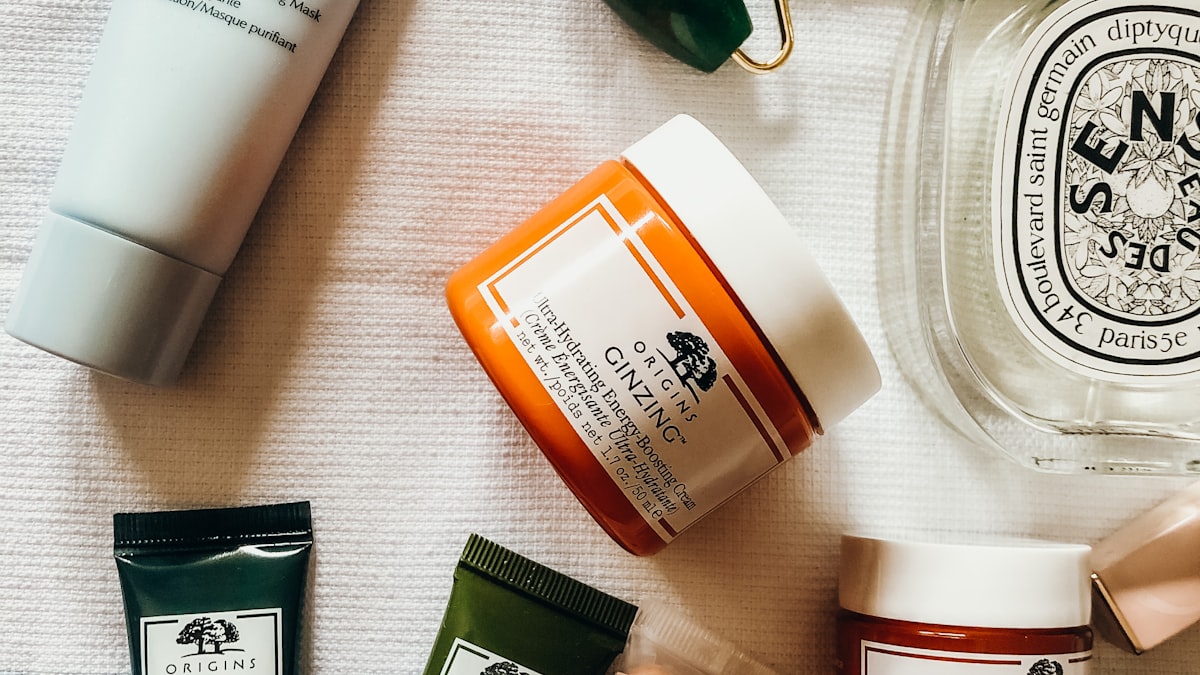
The 14-Day Emergency Barrier Reset Protocol
During an acute barrier emergency, simplify your regimen to three non-negotiable healing steps:
Step 1: Waterless or Gentle Cleansing: Cleanse once daily with a soothing lotion cleanser using cool water. Avoid morning cleansing—simply splash with cool water.
Step 2: Dense Barrier Cream: Apply a rich multi-ceramide restorative cream to clean, damp skin morning and night.
Step 3: Therapeutic Occlusive Balm: Press a panthenol-madecassoside healing balm (such as Cicaplast B5) over stinging areas to create a protective cocoon against water loss.
Curated Products for This Protocol
Each product below has been selected for verified ingredient efficacy, skin barrier compatibility, and reliable formulation performance.
CeraVe Moisturizing Cream
The foundational lipid replacer; delivers continuous 24-hour hydration to reconstruct compromised stratum corneum layers.
La Roche-Posay Cicaplast Baume B5+
The undisputed gold standard rescue balm for stinging, burning, post-retinol, and severely over-exfoliated skin.
COSRX Balancium Comfort Ceramide Cream
Balances intense barrier nourishment with a lightweight, matte-balm texture that never feels greasy or heavy.
Dr. Jart+ Ceramidin Skin Barrier Moisturizing Cream
Delivers high-density multi-molecular ceramides that mimic human skin architecture, accelerating moisture barrier recovery.
BYOMA Barrier+ Treatment
Formulated specifically to reset and repair chronically compromised skin barriers with clean, non-comedogenic ingredients.
Mistakes That Prolong Barrier Damage
When your barrier is damaged, there is no such thing as a "safe" acid. Even gentle PHAs, low-strength salicylic acid, or Vitamin C will deepen micro-tears and prolong inflammation. Cease all active acids completely.
Just because your skin stopped stinging today does not mean your stratum corneum has fully rebuilt its lipid lamellae. Wait at least two full weeks of zero irritation before reintroducing retinoids at half your previous frequency.
Protocol Comparison & Selection Guide
Compare active attributes, textures, and specific indications across the recommended selections:
| Barrier Product | Core Repair Active | Texture Feel | Clinical Role |
|---|---|---|---|
| CeraVe Moisturizing Cream | 3 Essential Ceramides + MVE | Velvety emollient cream | Everyday lipid replenishment & hydration |
| La Roche-Posay Cicaplast B5+ | 5% Panthenol + Madecassoside | Rich soothing balm | Acute burning relief & post-procedure healing |
| COSRX Balancium Cream | Ceramide NP + Centella Water | Matte comforting balm | Calms irritated acne-prone barriers |
| Dr. Jart+ Ceramidin Cream | 5-Cera Complex + Panthenol | Rich golden cream | Deep moisture reconstruction for severe xerosis |
| BYOMA Barrier+ Treatment | Tri-Ceramide Complex + Squalane | Nourishing treatment cream | Fast-acting over-exfoliation reset |
Frequently Asked Questions
Classic signs include: products that normally feel gentle suddenly stinging or burning, persistent tight or shiny texture without oiliness, sudden flaking, and increased redness across the cheeks and around the nose.
With strict cessation of all active acids and consistent use of ceramide and panthenol creams, mild barrier damage heals within 10 to 14 days. Severe barrier breakdown may take 3 to 4 weeks to match your natural cell turnover cycle.
Yes! Splashing with lukewarm water in the morning and using an ultra-gentle lotion cleanser only in the evening minimizes lipid disruption while your barrier heals.
Slugging (applying 100% petrolatum over your moisturizer at night) is fantastic for trapping moisture and accelerating barrier healing, provided you are applying it over pure hydrating products with zero active retinoids or acids.
Absolutely. A compromised barrier allows acne-causing bacteria to penetrate easily and fuels chronic inflammation. Restoring your lipid barrier strengthens your skin's natural antimicrobial defense, reducing future breakouts.
Healthy skin is built on steady consistency rather than aggressive experimentation. Give your skin at least 4 to 6 weeks to adapt to any adjustments in your routine before expecting structural cellular change.
Notice: Product selections are based on editorial cosmetic research and are not a substitute for professional medical advice. If you experience persistent dermatitis, severe acne, or acute barrier compromise, please consult a licensed board-certified dermatologist.