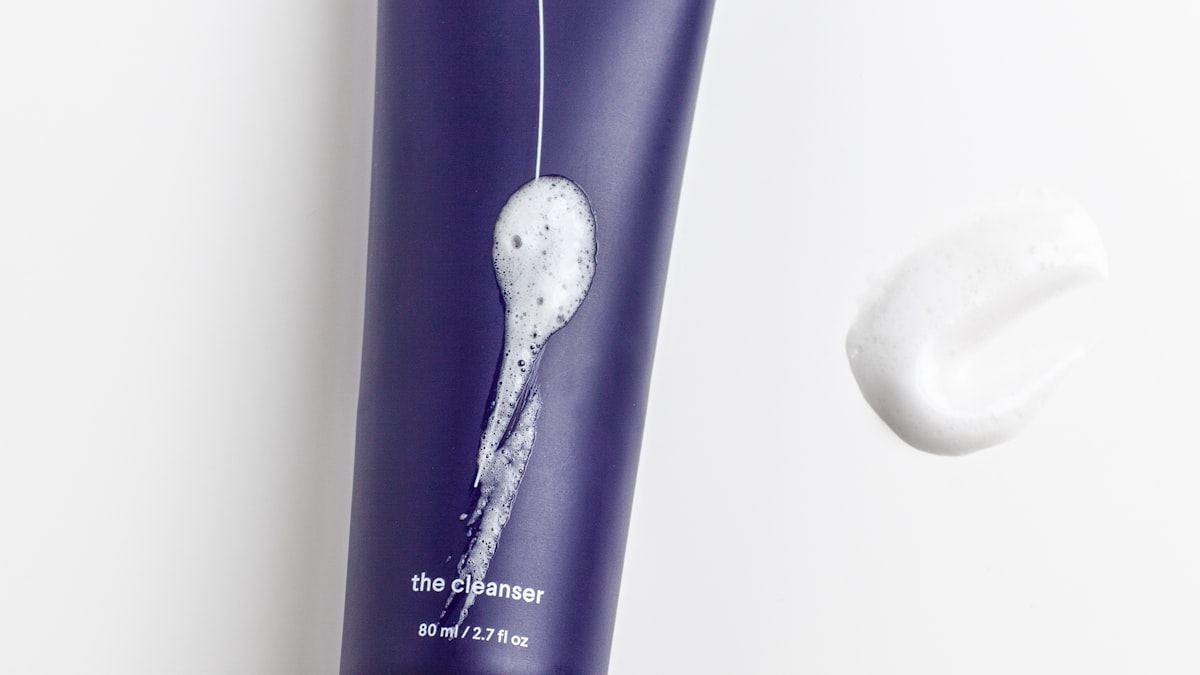

In traditional western cosmetic marketing, cleansers were historically viewed merely as industrial detergents designed to strip away grease until the face felt squeaky clean. In South Korea, however, facial cleansing has long been elevated to a refined artistic ritual rooted in Hanbang herbal medicine and dermatological respect for the skin barrier. The Korean cleansing philosophy begins with an immutable premise: your acid mantle (pH 4.5–5.5) is the primary guardian of your cutaneous microbiome. If a cleanser disturbs this acidic protective film, no subsequent luxury serum can fully undo the microscopic damage. Korean cleansers utilize low-pH amino acid surfactants, mineral-rich deep sea waters, and fermented botanical waters (such as green plum and black rice) to purify pores while leaving the lipid matrix intact.
- Korean cleansers are strictly formulated at a skin-compatible low pH (5.0 to 5.5).
- Amino acid surfactants replace harsh sulfates, lifting impurities without denaturing stratum corneum proteins.
- Fermented botanical waters (rice, plum, heartleaf) provide natural bio-ferments that soothe irritation.
- Double cleansing in the evening ensures complete removal of water-resistant SPF and environmental smog.
- Cleanse for a full 60 seconds with circular motions; never pull or drag the skin aggressively.
Safety Reminder: Introduce any new active ingredient gradually. Always perform a patch test on the forearm 24 hours prior to facial application.
The Korean Low-pH Cleansing Philosophy
Human skin maintains a natural acid mantle created by sebum free fatty acids, lactic acid from sweat, and amino acids from epidermal desquamation. This acidic shield activates beta-glucocerebrosidase and sphingomyelinase—the vital enzymes responsible for assembling ceramides into protective bilayers.
Traditional alkaline cleansers (pH 8–10) inactivate these barrier-synthesizing enzymes for hours after washing. Korean cosmetic chemists prioritize sub-acidic formulations (pH 5.0–5.5) enriched with naturally derived saponins and amino acid complexes, guaranteeing that pore debris is emulsified without raising cutaneous pH.
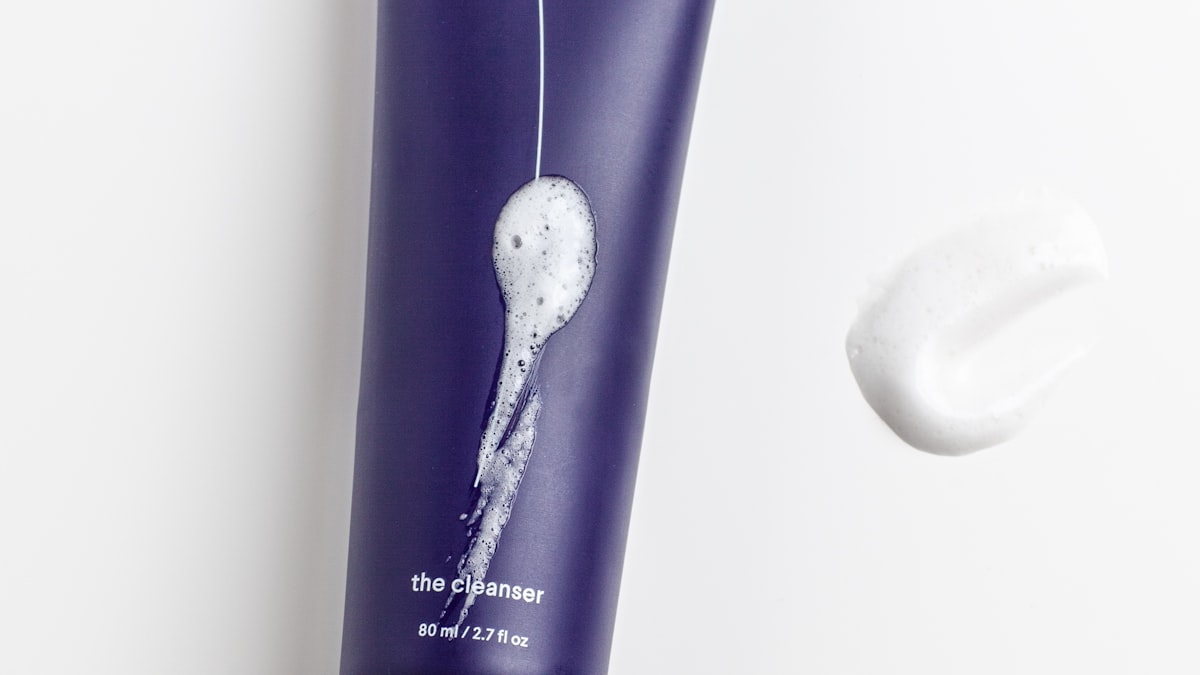
The Step-by-Step Korean Cleansing Ritual
A restorative Korean cleansing ritual balances evening purification with morning barrier preservation:
Morning: Splash with lukewarm water or use a gentle, low-pH gel cleanser (like COSRX Good Morning) to sweep away overnight sebum without stripping morning lipids.
Evening (Double Cleansing): First, massage an oil or cleansing balm over dry skin for 60 seconds to melt sunscreen and pigments. Rinse with tepid water, then follow with a gentle foaming wash (like Dokdo or Green Plum) to purify water-soluble sweat and urban dust.
Curated Products for This Protocol
Each product below has been selected for verified ingredient efficacy, skin barrier compatibility, and reliable formulation performance.
COSRX Low pH Good Morning Gel Cleanser
The pioneer of the low-pH Korean cleansing movement; purifies pore congestion and clarifies skin while maintaining optimal skin pH.
Beauty of Joseon Green Plum Refreshing Cleanser
Combines traditional Hanbang herbal knowledge with modern gentle surfactants to hydrate and soften skin while cleansing.
Round Lab 1025 Dokdo Cleanser
Repeatedly ranked as Korea's #1 facial cleanser; produces ultra-dense micro-bubbles that remove fine dust without any post-wash tightness.
Anua Heartleaf Quercetinol Pore Deep Cleansing Foam
Specifically formulated to deep-clean congested pores and calm acne-prone inflammation with patented Quercetinol.
Haruharu Wonder Black Rice Moisture 5.5 Soft Cleansing Gel
100% vegan and EWG green-grade; harnesses the antioxidant power of fermented black rice anthocyanins to shield skin while cleansing.
Common Korean Cleansing Errors
If your face feels tight enough to restrict smiling after you dry off, your cleanser is far too alkaline. Switch immediately to a verified sub-acidic (pH 5.0–5.5) Korean cleanser to allow your acid mantle to recover.
When double cleansing with an oil or balm, you must splash a small amount of warm water and massage for 15 seconds until the oil turns milky-white. Skipping this emulsification step leaves a residual oil film on the skin.
Protocol Comparison & Selection Guide
Compare active attributes, textures, and specific indications across the recommended selections:
| Korean Cleanser | pH Level | Surfactant Base | Key Botanical Engine |
|---|---|---|---|
| COSRX Good Morning | pH 5.0–5.5 | Gentle gel micro-surfactant | Tea Tree + 0.5% Betaine Salicylate |
| Beauty of Joseon Plum | pH 5.0–5.5 | Silky hypoallergenic gel | 24% Green Plum Water + Mung Bean |
| Round Lab Dokdo | pH 5.0–6.0 | Dense amino-acid micro-foam | 72 Deep Sea Minerals + Ceramides |
| Anua Heartleaf Foam | pH 5.5 | Clarifying cream foam | 33% Heartleaf + Quercetinol + BHA |
| Haruharu Black Rice | pH 5.5 | Soap-free coconut glucoside | Fermented Black Rice + Ginseng |
Frequently Asked Questions
Your skin naturally operates between pH 4.5 and 5.5. High-pH alkaline cleansers disrupt the acid mantle, killing beneficial microbiome bacteria and triggering redness, dryness, and breakouts.
Double cleansing is a Korean ritual where you first use an oil-based cleanser or micellar water to dissolve makeup and oil-soluble sunscreen, followed by a water-based low-pH cleanser to rinse away water-soluble sweat and debris.
Yes! In fact, oily skin benefits the most from low-pH cleansers because stripping the skin with alkaline soaps triggers compensatory rebound oil production.
Fermentation breaks plant molecules down into smaller molecular sizes, dramatically increasing their bioavailability and skin penetration while boosting antioxidant potency.
Korean aestheticians recommend the "60-Second Rule": gently massaging your cleanser over the skin for a full minute to allow the surfactants and active botanicals time to break down grime.
Healthy skin is built on steady consistency rather than aggressive experimentation. Give your skin at least 4 to 6 weeks to adapt to any adjustments in your routine before expecting structural cellular change.
Notice: Product selections are based on editorial cosmetic research and are not a substitute for professional medical advice. If you experience persistent dermatitis, severe acne, or acute barrier compromise, please consult a licensed board-certified dermatologist.