Skin firmness and elasticity are governed by the deep dermal extracellular matrix (ECM). While fine lines are primarily epidermal and superficial dermal phenomena, skin sagging and loss of defined facial contour arise from structural shifts deep within the reticular dermis. Here, two primary proteins dictate mechanical integrity: Type I and III collagen (which provide tensile strength) and elastin fibers (which allow skin to snap back after stretching). Starting in our mid-twenties, collagen production drops by approximately 1% per year, while chronic ultraviolet light triggers elastosis—the abnormal clumping of damaged elastin fibers. Topically restoring firmness requires ingredients that stimulate fibroblast activity, protect existing structural proteins, and deeply nourish intercellular lipids.
- True skin sagging involves deep structural collagen, elastin, and fat pad shifts; topical products target dermal density and surface elasticity.
- Signal peptides instruct fibroblasts to produce fresh collagen and fibronectin.
- Bakuchiol provides retinol-like gene expression pathways without the associated retinoid dermatitis.
- Multi-peptide serums layer effortlessly beneath rich firming creams for multi-depth cellular support.
- Consistent morning UV protection is critical to halt ultraviolet-activated elastase enzymes.
Safety Reminder: Introduce any new active ingredient gradually. Always perform a patch test on the forearm 24 hours prior to facial application.
The Biology of Skin Laxity & Elastin Decline
Skin elasticity relies on an intricate scaffolding of elastin polymers coiled like microscopic springs within the dermis. Unlike collagen, which the body can synthesize throughout life with the right biochemical stimulation, elastin is synthesized predominantly during fetal development and early childhood. Throughout adulthood, new elastin synthesis is exceedingly low.
When UV radiation, environmental pollution, and elevated blood sugar levels (glycation) damage these elastin springs, they become rigid, brittle, and non-functional. Concurrently, dermal hyaluronic acid synthesis drops, reducing structural turgor. To maintain facial tightness, skincare must focus on three fronts: inhibiting elastase enzymes that destroy existing elastin, stimulating collagen synthesis to build supportive scaffolding around elastin fibers, and maintaining high hydration levels to optimize tissue turgidity.
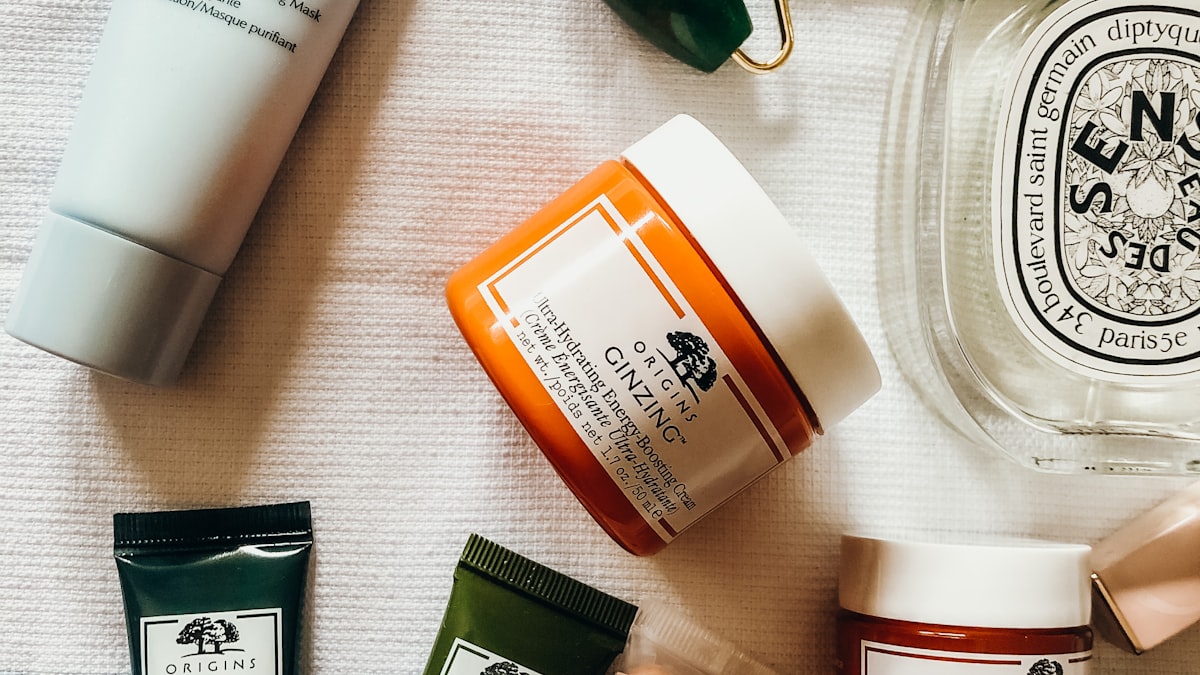
The Daily Protocol for Skin Density & Firmness
A firming regimen pairs targeted signal peptide delivery with barrier-dense emollient sealing:
Step 1: Peptide Pre-Serum: Apply a high-potency multi-peptide booster directly to cleansed, damp skin. This ensures signal peptides contact cellular receptors before heavier creams deposit lipid barriers.
Step 2: Cellular Stimulator: In the evening, incorporate stabilized retinoids or bakuchiol to stimulate deeper dermal fibroblast synthesis.
Step 3: Firming Emollient Cream: Seal with a rich cream formulated with niacinamide, ceramides, and micro-peptides to cushion skin and prevent trans-epidermal water loss.
Curated Products for This Protocol
Each product below has been selected for verified ingredient efficacy, skin barrier compatibility, and reliable formulation performance.
Olay Regenerist Micro-Sculpting Cream
Clinically designed to hydrate within seconds and visibly firm sagging skin contours through continuous moisture plumping.
CeraVe Skin Renewing Night Cream
Combines dermal peptide stimulation with lipid envelope reinforcement, delivering noticeable morning skin elasticity.
Paula's Choice Clinical 0.3% Retinol + 2% Bakuchiol
Bakuchiol acts as a natural stabilizer for retinol while amplifying collagen production through independent cellular pathways.
COSRX The 6 Peptide Skin Booster Serum
Serves as the ideal first-step serum to enhance firmness, smooth skin texture, and boost the absorption of subsequent creams.
The Ordinary Multi-Peptide + HA Serum
Features a dense matrix of clinically studied peptide technologies including Matrixyl 3000, Syn-Ake, and ARGIRELOX in a hyaluronic acid base.
Setting Realistic Expectations & What to Avoid
Topical firming creams improve skin elasticity, epidermal thickness, and hydration turgor, but cannot lift jowls or eliminate sagging skin caused by structural fat pad resorption and bone remodeling. Maintain realistic goals centered around dermal resilience.
Unprotected sun exposure triggers matrix metalloproteinases that dissolve fresh collagen as quickly as your peptide creams stimulate it. Broad-spectrum daily SPF is the true foundation of skin firmness.
Protocol Comparison & Selection Guide
Compare active attributes, textures, and specific indications across the recommended selections:
| Firming Formula | Core Mechanism | Texture Type | Key Benefit |
|---|---|---|---|
| Olay Micro-Sculpting | Amino-Peptide II + Niacinamide | Rich silky cream | Instant hydration plumping & contour support |
| CeraVe Night Cream | Biomimetic Peptides + Ceramides | Comforting balm | Lipid barrier recovery & night elasticity |
| Paula's Choice Clinical | 0.3% Retinol + 2% Bakuchiol | Lotion-serum | Dual-action cellular remodeling |
| COSRX 6 Peptide | 6 Signal & Carrier Peptides | Watery booster | Pre-treatment suppleness & pore refinement |
| The Ordinary Multi-Peptide | Matrixyl + Syn-Ake Complexes | Hydrating serum | Targeted dynamic line softening |
Frequently Asked Questions
Gentle facial massage temporarily stimulates lymphatic drainage and cutaneous microcirculation, giving a temporary depuffed and sculpted appearance, but does not alter long-term structural collagen synthesis.
Clinical studies show that 0.5% to 2% bakuchiol activates very similar collagen-upregulating gene pathways as retinol, but without triggering retinoid irritation, making it an excellent alternative for sensitive skin.
Yes. Unlike pure retinol, most peptide complexes are not photosensitizing and can be safely applied both morning and evening to support continuous dermal signaling.
Strong acidic environments (low pH below 4.0) can hydrolyze peptide bonds, breaking them down into inactive amino acid fragments and destroying their signaling capabilities.
Hydration plumping is visible immediately. Noticeable improvements in skin bounce, firmness, and dermal elasticity typically require 8 to 12 weeks of continuous twice-daily application.
Healthy skin is built on steady consistency rather than aggressive experimentation. Give your skin at least 4 to 6 weeks to adapt to any adjustments in your routine before expecting structural cellular change.
Notice: Product selections are based on editorial cosmetic research and are not a substitute for professional medical advice. If you experience persistent dermatitis, severe acne, or acute barrier compromise, please consult a licensed board-certified dermatologist.