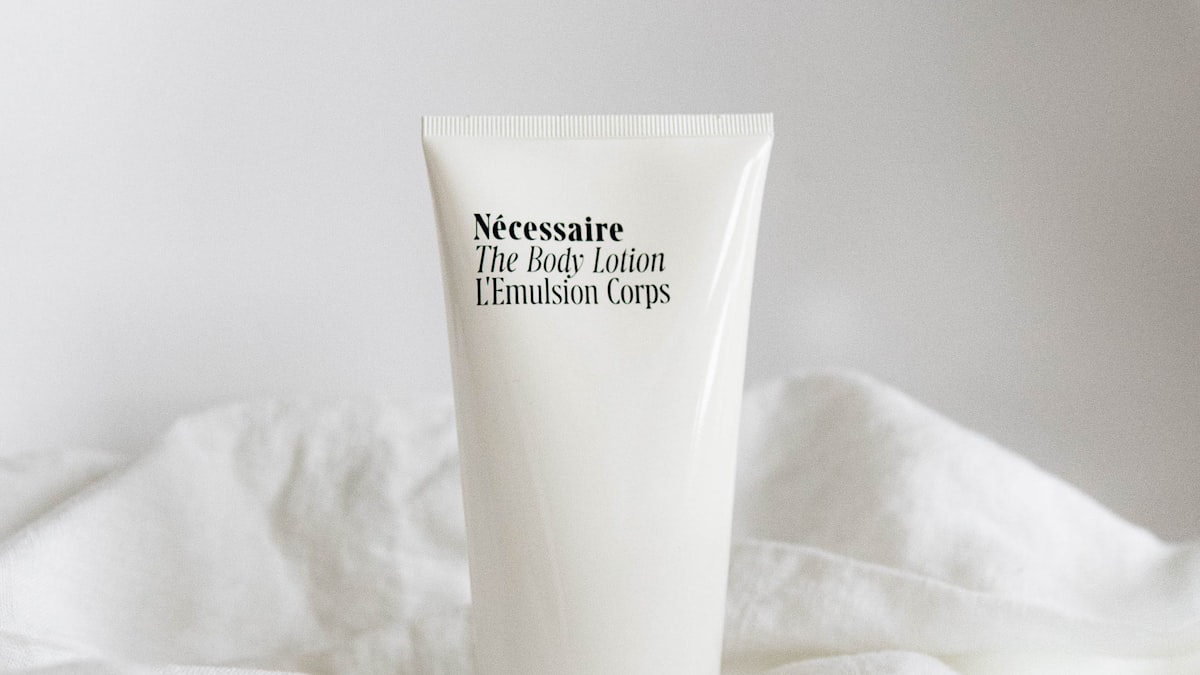
Skin dullness and uneven tone are among the earliest visual hallmarks of cumulative environmental photoaging. At the microscopic level, a dull complexion is caused by three converging factors: sluggish epidermal cell desquamation (causing dead, light-absorbing corneocytes to pile up on the surface), localized micro-melanin clusters deposited by reactive melanocytes, and oxidation of surface lipids under ultraviolet radiation. Brightening serums represent targeted chemical interventions formulated to reverse this triad. The most effective modern brightening serums do not simply bleach the skin; rather, they deploy multi-pathway biological actives that neutralize oxidative free radicals, inhibit the tyrosinase enzyme, block melanosome transfer, and stimulate healthy cellular turnover.
- True skin brightening requires targeting multiple biochemical steps in the melanogenesis pathway.
- L-ascorbic acid 20% stabilized with Vitamin E and ferulic acid provides the highest radical defense.
- Ethylated and glucoside derivatives of Vitamin C offer gentler, shelf-stable brightening for sensitive barriers.
- Pairing brightening serums with daily broad-spectrum SPF prevents ultraviolet reactivation of melanocytes.
- Antioxidants applied under daytime sunscreen double your defense against environmental oxidative pollution.
Safety Reminder: Introduce any new active ingredient gradually. Always perform a patch test on the forearm 24 hours prior to facial application.
Biochemistry: The Melanogenesis Cascade
Melanin synthesis begins when the amino acid L-tyrosine is oxidized by the enzyme tyrosinase into DOPA and dopaquinone, eventually condensing into brown-black eumelanin or yellow-red pheomelanin inside cellular organelles called melanosomes.
Potent brightening serums target different checkpoints in this pathway: Vitamin C reduces dopaquinone back into DOPA, reversing pigmentation; alpha arbutin competitively binds to tyrosinase active sites; and niacinamide blocks the transfer of mature melanosomes into neighboring keratinocytes.
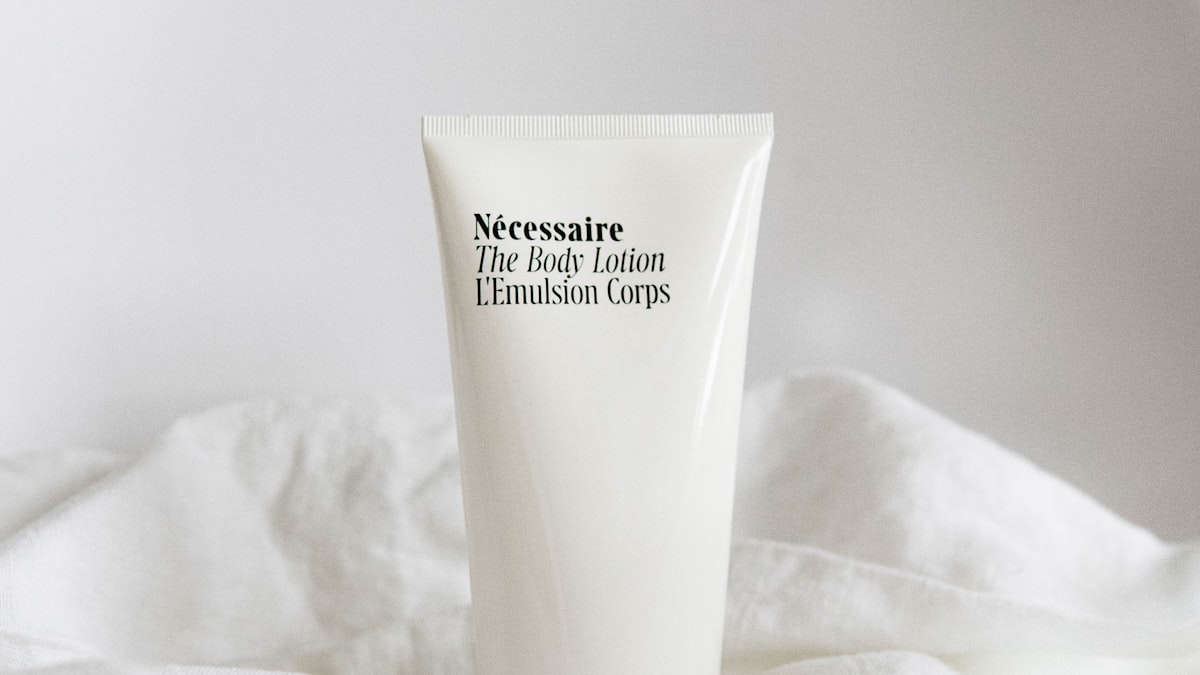
The Morning & Evening Brightening Protocol
Maximize luminous skin radiance with this daily schedule:
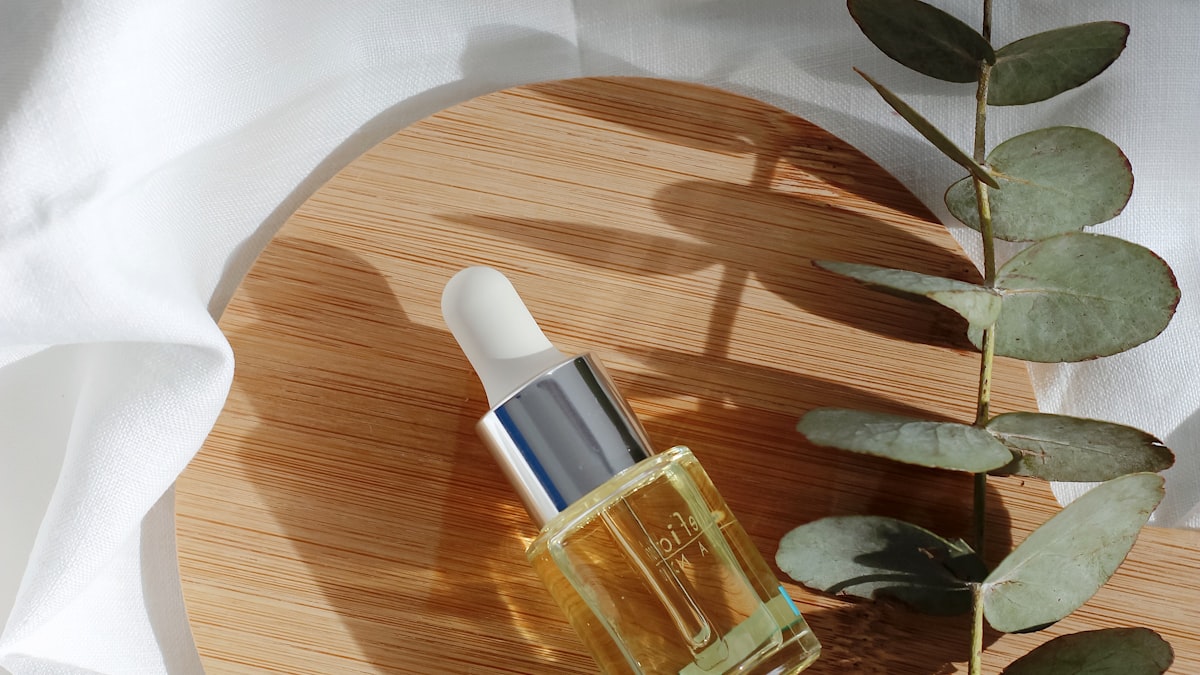
Morning: Cleanse gently, apply 4 drops of stabilized Vitamin C serum across face and neck to neutralize daytime radicals, follow with a lightweight moisturizer, and seal with broad-spectrum SPF 30+.
Evening: Cleanse thoroughly, apply a gentle tone-evening serum with ascorbyl glucoside or multi-pathway brighteners, and lock in with an antioxidant barrier cream.
Curated Products for This Protocol
Each product below has been selected for verified ingredient efficacy, skin barrier compatibility, and reliable formulation performance.
Timeless 20% Vitamin C + E Ferulic Acid Serum
The benchmark formulation mirroring Duke antioxidant patent standards; provides maximum radical scavenging and hyperpigmentation fading.
CeraVe Vitamin C Serum with Hyaluronic Acid
The ideal beginner-friendly brightening serum; delivers clinical Vitamin C radiance while ceramides preserve barrier comfort.
La Roche-Posay Pure Vitamin C10 Serum
Specifically formulated at physiological pH for sensitive skin, refining texture while visibly boosting complexion radiance.
Naturium Vitamin C Complex Serum
Utilizes micro-encapsulation and fruit extracts to deliver high antioxidant potency with exceptional shelf stability.
The Ordinary Ascorbyl Glucoside Solution 12%
Converts to pure Vitamin C upon contact with skin enzymes, offering reliable tone-brightening with zero stinging or low-pH irritation.
Common Brightening Serum Pitfalls
When pure L-ascorbic acid is exposed to air, light, and warmth, it oxidizes into dehydroascorbic acid, turning dark orange or brown. Oxidized Vitamin C loses its antioxidant efficacy and can act as a pro-oxidant, staining pores and irritating the skin. Discard once it turns deep amber.
Jumping directly to a 20% pure L-ascorbic acid serum with a fragile barrier frequently causes stinging, redness, and contact dermatitis. Start with 10% or a gentle derivative like ascorbyl glucoside.
Protocol Comparison & Selection Guide
Compare active attributes, textures, and specific indications across the recommended selections:
| Brightening Formula | Vitamin C Form | Strength & Base | Best Skin Type |
|---|---|---|---|
| Timeless 20% Serum | Pure L-Ascorbic Acid | 20% + Ferulic (pH 2.4) | Resilient normal/oily skin needing maximum potency |
| CeraVe Vitamin C | Pure L-Ascorbic Acid | 10% in Ceramide base | Beginners, dry, and barrier-sensitive skin |
| La Roche-Posay C10 | Pure L-Ascorbic Acid | 10% + Salicylic & Neurosensine | Sensitive skin with fine lines & rough texture |
| Naturium C Complex | Gold-Stabilized Complex | Multi-source Vitamin C | All skin types wanting long-term shelf stability |
| The Ordinary Ascorbyl Glucoside | Ascorbyl Glucoside (Derivative) | 12% in water base | Hypersensitive skin and active breakout sufferers |
Frequently Asked Questions
High-potency Vitamin C serums stabilized with ferulic acid naturally produce a distinctive metallic, smoked aroma due to the chemical interaction of ferulic acid with antioxidants. This is completely normal and dissipates upon absorption.
Yes! While Vitamin C is most famous for daytime radical defense under sunscreen, applying it at night supports nocturnal collagen synthesis and melanin suppression.
Initial skin luminosity and dewy hydration appear within 7 to 10 days. Fading of stubborn hyperpigmentation and sun spots typically takes 8 to 12 weeks of continuous daily application.
No. Topical cosmetic brighteners only inhibit abnormal, excess melanin production caused by sun damage or acne inflammation. They will restore your natural, uniform baseline complexion without bleaching.
For pure L-ascorbic acid serums (like Timeless), refrigeration significantly slows the chemical oxidation rate, extending product freshness and potency for months.
Healthy skin is built on steady consistency rather than aggressive experimentation. Give your skin at least 4 to 6 weeks to adapt to any adjustments in your routine before expecting structural cellular change.
Notice: Product selections are based on editorial cosmetic research and are not a substitute for professional medical advice. If you experience persistent dermatitis, severe acne, or acute barrier compromise, please consult a licensed board-certified dermatologist.