
The skin surrounding the human eye—the peri-orbital region—is anatomically unique compared to the rest of the facial canvas. It is approximately 40% thinner (measuring a mere 0.5 mm in thickness), contains virtually zero sebaceous glands to produce protective sebum, and is subject to continuous mechanical stress from over 10,000 blinks and dynamic facial expressions every day. Consequently, the eye area is almost universally the first region of the face to exhibit fine lines (crow’s feet), moisture depletion, and structural laxity. Furthermore, the micro-vascular capillary bed beneath the lower eyelid easily pools with deoxygenated blood, causing dark circles, while sluggish lymphatic drainage triggers fluid retention and morning puffiness. Formulating an effective anti-aging eye cream requires rigorous balance: delivering active retinoids and peptides strong enough to remodel collagen, yet gentle enough to avoid peri-orbital dermatitis, stinging, or milia.
- The eye contour is the thinnest skin on the body and lacks natural sebaceous oil glands.
- Crow's feet respond best to low-dose encapsulated retinol and signal peptides that remodel dermal thickness.
- Vascular dark circles improve with caffeine and niacinamide, which constrict micro-vessels and enhance circulation.
- Always tap eye creams along the orbital bone using your ring finger; never pull or drag delicate under-eye tissue.
- Avoid placing rich creams directly on the lower lash line or upper eyelid to prevent product migration into the eye.
Safety Reminder: Introduce any new active ingredient gradually. Always perform a patch test on the forearm 24 hours prior to facial application.
Anatomy of the Peri-Orbital Eye Area
Understanding the unique vulnerabilities of peri-orbital skin explains why standard heavy facial creams are often inappropriate:
- Minimal Barrier Lipids: With fewer hair follicles and sebaceous glands, the eye contour cannot synthesize sufficient sebum to lock in moisture, predisposing it to chronic trans-epidermal water loss.
- Fragile Capillary Bed: The micro-vessels beneath the thin lower eyelid are easily visible. Vascular congestion or capillary leakage causes blue and purple discoloration.
- Prone to Milia: Heavy occlusive waxes (like high-percentage petrolatum or mineral oil) applied to the eye area can trap keratin flakes beneath the surface, forming small, hard white cysts known as milia.
Dark Circles vs. Puffiness vs. Crow’s Feet
Effective treatment requires identifying the root cause of your under-eye concern:
Crow’s Feet: Dynamic lines caused by the orbicularis oculi muscle. Require low-dose retinoids and peptides to stimulate collagen scaffolding.
Under-Eye Puffiness: Caused by fluid accumulation in interstitial tissues. Topical caffeine and gentle lymphatic drainage help mobilize fluid.
Dark Circles: Can be vascular (bluish pooling of blood), pigmentary (brown melanin deposits common in deeper complexions), or structural (a hollow tear trough shadow caused by bone and fat pad loss). Skincare targets vascular and pigmentary causes effectively.
Dermatologist Application Technique
Applying eye cream with improper mechanical force can exacerbate skin laxity. Follow this clinical technique:
1. The Ring Finger Rule: Your ring finger has the weakest natural musculature of your hand, ensuring you never exert excessive pressure on delicate ocular tissues.
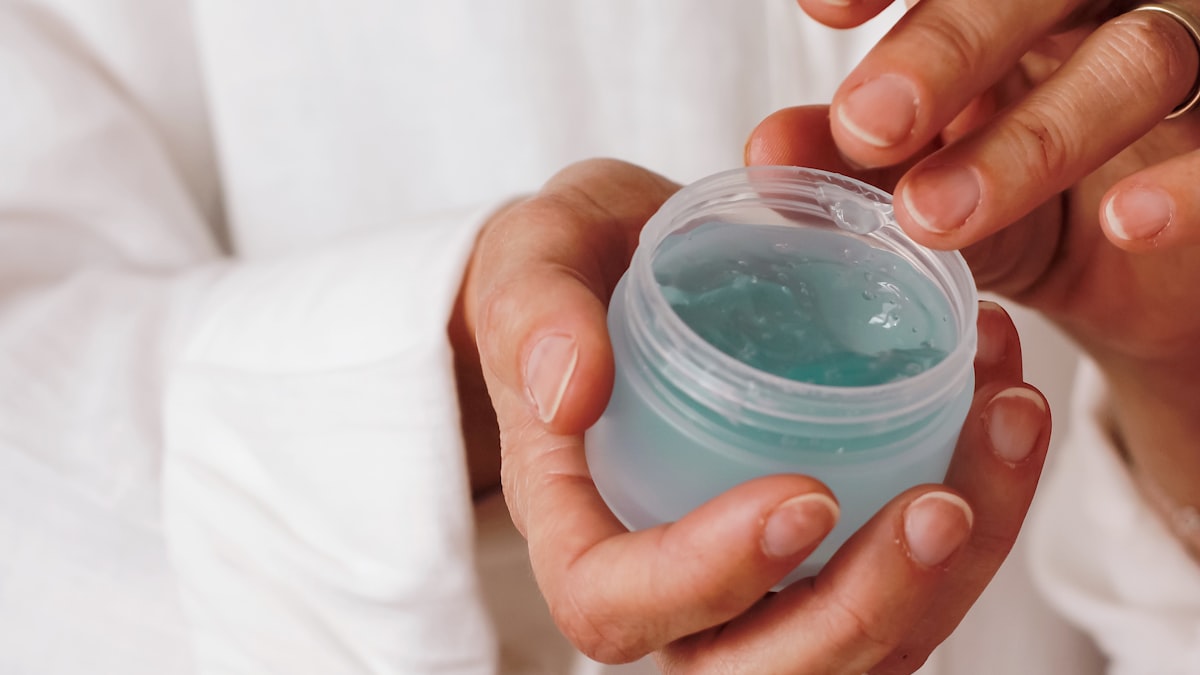
2. The Orbital Bone Pathway: Dispense a rice-grain-sized amount for both eyes. Tap gently along the orbital bone—starting from the outer corner, moving inward along the lower rim toward the bridge of the nose, and up beneath the brow bone.
3. Natural Product Migration: As you blink, natural facial warmth and muscle movements cause micro-amounts of the cream to migrate inward safely. Never apply cream directly up to the lower waterline.
Curated Products for This Protocol
Each product below has been selected for verified ingredient efficacy, skin barrier compatibility, and reliable formulation performance.
CeraVe Skin Renewing Eye Cream
Clinically tested to reduce the appearance of fine lines, crow's feet, and puffiness while continuously strengthening the eye barrier.
RoC Retinol Correxion Eye Cream
One of the most clinically studied eye treatments, proven to visibly reduce crow's feet, dark circles, and puffiness over 12 weeks.
Olay Retinol 24 Max Night Eye Cream
Delivers 2x the concentration of peptides and retinoids compared to base formulas, with a silky texture designed not to sting.
Neutrogena Rapid Wrinkle Repair Eye Cream
Targets stubborn crow's feet and dark circles with accelerated smoothing results visible within one week.
La Roche-Posay Toleriane Dermallergo Eye Cream
Created specifically for ultra-sensitive, allergy-prone, or eczema-prone eyelids that react to conventional anti-aging eye creams.
Common Eye Cream Mistakes
Placing eye cream right against the lower lash line or directly onto the mobile upper eyelid guarantees that product will migrate into the tear film when blinking. This leads to morning eye stinging, conjunctival redness, and blurred vision.
Using 1% facial retinol or prescription tretinoin directly around the eyes frequently causes severe retinoid dermatitis, flaking, and eyelid swelling. Always use low-dose eye formulations engineered for peri-orbital safety.
Protocol Comparison & Selection Guide
Compare active attributes, textures, and specific indications across the recommended selections:
| Eye Cream | Primary Active | Target Concern | Texture Profile |
|---|---|---|---|
| CeraVe Skin Renewing | Peptides + Caffeine | Crow's feet & morning puffiness | Lightweight non-greasy lotion |
| RoC Retinol Correxion | Pure RoC Retinol | Deep static wrinkles & dark circles | Silky clinical emulsion |
| Olay Retinol 24 Max | Retinoid + Niacinamide | Nightly line smoothing & hydration | Rich hydrating cream |
| Neutrogena Rapid Repair | Accelerated Retinol SA | Fast smoothing of fine lines | Plumping moisture cream |
| La Roche-Posay Dermallergo | Neurosensine + Niacinamide | Reactive, red & allergy-prone eyelids | Ultra-soothing lightweight fluid |
Frequently Asked Questions
If your regular facial moisturizer is fragrance-free, gentle, and doesn’t trigger milia, it can provide basic hydration to the eye area. However, dedicated eye creams offer tailored low-dose active delivery (retinol, caffeine, peptides) calibrated for ultra-thin peri-orbital skin.
Hereditary dark circles caused by deep bone structure or prominent underlying veins cannot be completely erased by topical skincare, though caffeine and brightening niacinamide can reduce their visibility.
Milia form when heavy, occlusive creams trap dead keratin flakes under the skin. If you are prone to milia, switch from heavy oil-based creams to lightweight gel-creams or serums with gentle peptides.
Allow your eye cream 90 to 120 seconds to set before applying concealer. This prevents liquid cosmetics from sliding, creasing, or balling.
Only apply product beneath the brow bone on the upper orbital rim. Avoid applying directly to the moving upper eyelid unless the product specifically indicates it has been ophthalmologist-tested for eyelid eczema.
Healthy skin is built on steady consistency rather than aggressive experimentation. Give your skin at least 4 to 6 weeks to adapt to any adjustments in your routine before expecting structural cellular change.
Notice: Product selections are based on editorial cosmetic research and are not a substitute for professional medical advice. If you experience persistent dermatitis, severe acne, or acute barrier compromise, please consult a licensed board-certified dermatologist.